Electrical Work in New Building Apartments — Moscow Guide
Moving into a new apartment in Moscow or finishing a newly built flat? Correct electrical design and installation are essential for safety, comfort and legal compliance. This practical guide summarizes what you need to know: regulations, typical setup in new buildings, planning steps, required protective devices, room-specific rules, hiring contractors and handover checklist.
Key regulations and standards
— Main normative document: *PUE* — Правила устройства электроустановок (Rules for Electrical Installations).
— Apply relevant *GOST* and local building regulations when selecting materials and equipment.
— Coordinate with the building’s developer and the regional grid operator (e.g., МОЭСК / Мосэнерго / Мосэнергосбыт) for metering and connection matters.
— For significant changes (increasing contracted capacity, moving the metering point, altering common electrical systems) a project and official approval may be required. For cosmetic wiring changes inside the apartment, a licensed electrician is still strongly recommended.
Typical electrical setup for Moscow apartments
— Supply: usually 220–230 V single-phase for standard flats; three-phase supplies are used when contracted capacity or equipment (electric stove, heater, EV charger) requires it.
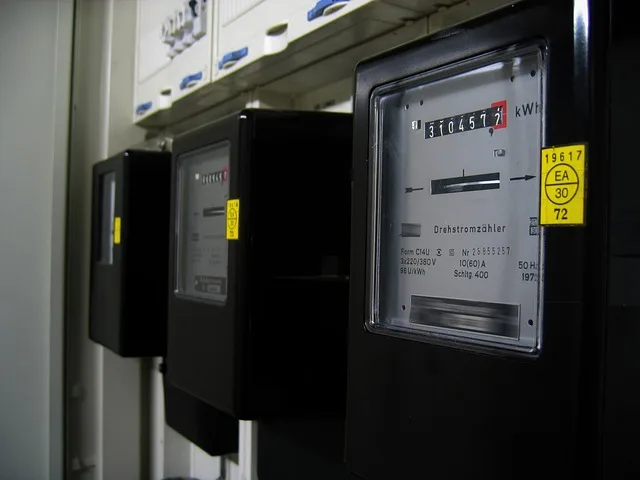
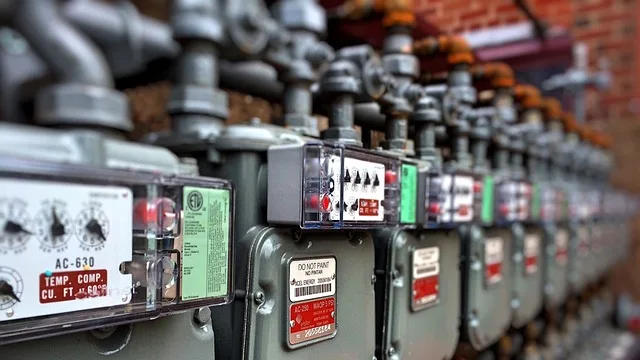
— Incoming point: meter + main switch (general automatic) installed in the building’s distribution cabinet or in the apartment’s electrical panel depending on developer arrangement.
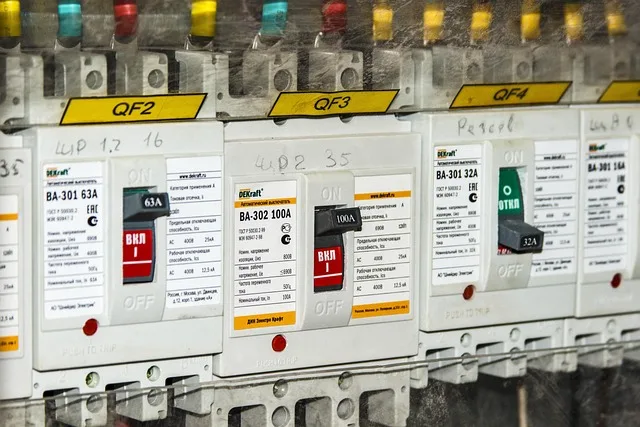
— Distribution board (щит) inside apartment with individual circuit breakers and RCDs/RCBOs.
— Wiring: commonly used cables include VVGng(Ls), NYM and others compliant with PUE/GOST — choice depends on routing and fire-safety class.
— Earthing/neutral: many urban buildings use TN‑C‑S on entry; check with developer and test continuity/protective conductor presence and resistance.
Planning and design — step by step
1. Review the developer’s base electrical plan (location of metering, distribution cabinet, incoming cables).
2. List all loads: lighting, sockets, kitchen appliances, HVAC, water heater, EV charger, etc. Distinguish heavy appliances (stove, boiler, washing machine).
3. Calculate required capacity and decide if single-phase is enough. If you plan high-power devices, consider three-phase connection early.
4. Zone circuits logically: lighting, general sockets, kitchen sockets, bathroom, HVAC, appliances, and split heavy appliances to separate breakers.
5. Choose protection strategy: main RCD/RCBOs, individual breakers, surge protection (SPD).
6. Create a simple design and labeling scheme for the distribution board for easy future maintenance.
Mandatory and recommended protective devices
— RCD (residual current device): *mandatory* for socket circuits and required in wet zones. Typical sensitivity: 30 mA for general sockets, 10–30 mA for bathroom/sauna; select a main RCD with appropriate selective coordination.
— Circuit breakers (automatic switches): one per circuit (B/C characteristics according to load and inrush currents).
— RCBOs: recommended where selective protection (combined overcurrent + residual current) is preferred.
— Surge Protection Device (SPD): install at the incoming panel (Type 1+2 or class B+C) to protect electronics, especially if the building has overhead supply.
— Main switch and 300 mA RCD/earth-leakage relay for overall fire protection, if applicable.
— Proper earthing/PE conductor must be present and verified.
Room-specific requirements and best practices
— Kitchen:
— Separate circuits for oven, hob, microwave, dishwasher, washing machine; heavy appliances often need dedicated circuits and possibly three-phase.
— Sockets above worktops at convenient heights; consider appliance placement and ventilation hood power.
— Bathroom:
— Use IP-rated fixtures and switches; all bathroom circuits must be RCD-protected.
— No ordinary sockets inside wet zones (follow PUE distances) — use protected shaver sockets or local standards.
— Balcony / Loggia:
— Follow building rules: some developers prohibit sockets on balconies or require IP-rated, switched circuits. Avoid extension cords between rooms.
— Living room / Bedrooms:
— Plan for media equipment, lighting zones, and multiple socket points to avoid overloading.
— Hallway / Entry:
— Consider a dedicated circuit for door entry systems, intercom, and hallway lighting.
Smart home and energy efficiency options
— Pre-wire for smart systems: run low-voltage control cables or use powerline/Wi‑Fi where appropriate.
— Install a modern DIN-rail distribution with space for future modules (smart relays, energy meters, home automation modules).
— Consider energy-efficient lighting (LED) and programmable controls (timers, motion sensors).
— Use smart meters and remote monitoring where possible — check with your supplier about compatibility