
Electrical Work in New-Build Apartments — Moscow Guide
Planning electrical work in a newly completed apartment in Moscow requires combining safety, local rules, and pragmatic design so the installation is reliable, legal and convenient for everyday life. This guide covers what to expect, legal and technical points, recommended equipment and materials, typical costs and timelines, and a practical checklist for moving forward.
1. Who does what in a new building
— Developer/contractor: usually supplies the main incoming cable, meter location and basic distribution up to the apartment entrance or inside the apartment according to the contract.
— Grid operator (local distribution company — e.g., MOESK/Mosenergo or other regional operator): handles meter connection, metering approval and initial power supply.
— Apartment owner/tenant: upgrades, internal wiring, additional circuits, finishes, smart systems and final registration of internal works (if required).
Always clarify with the developer which electrical scope is included before ordering additional work.
2. Rules, standards and permits
— Compliance: follow Russian Electrical Installation Rules (PUE — Правила устройства электроустановок), applicable GOST standards and local utility requirements.
— Technical conditions (Технические условия): if changing load level or relocating a meter, obtain technical conditions from the grid operator.
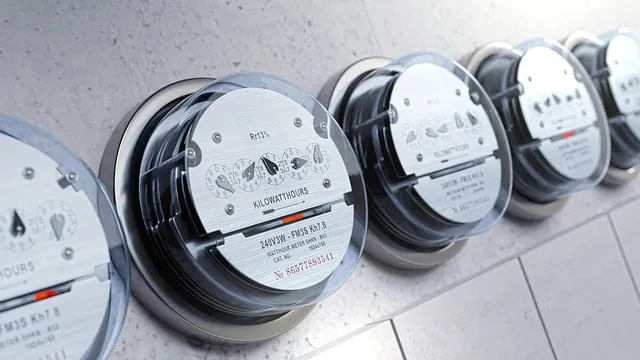
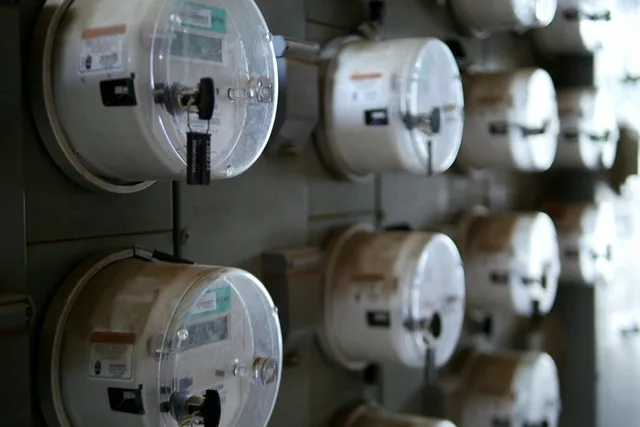
— Metering: meter installation and sealing must be coordinated with the grid company; do not operate unsealed or unregistered meters.
— Professional work: use qualified electricians with appropriate certificates, proof of experience and liability coverage. For major changes you may need acceptance documentation from a certified commissioning organization.
3. Design and planning
— Create a simple single-line diagram of circuits and load distribution.
— Separate circuits for:
— Lighting
— General socket outlets (kitchen, living spaces)
— Heavy appliances: oven, electric stove, washing machine, dishwasher, boiler, HVAC, EV charger
— Special loads (IR heating, saunas)
— Balance load across phases (if three-phase supply is available) to avoid overloads.
— Future-proof: add spare conduits / reserve space in the electrical panel, extra cable runs for smart home, data and TV, and space for future upgraded breakers or a UPS.
4. Cables and conductors (typical recommendations)
— Prefer copper conductors for reliability and lower resistance.
— Common cable types used in apartments: NYM, VVG (insulated copper).
— Typical conductor cross-sections (common practice — confirm with designer/contractor):
— Lighting: 1.5 mm² copper
— Sockets (general): 2.5 mm² copper
— Electric stove/oven, hob: 4–6 mm² (depending on load and single/three-phase)
— Washing machine, dishwasher, boiler: 2.5–4 mm²
— Dedicated high-power loads / EV charging: 6 mm² and above as required
— Protective earth (PE) and equipotential bonding are mandatory; TN-C-S or TN-S arrangements are commonly used — follow grid operator and PUE instructions.
5. Protective devices and safety
— Use DIN-rail modular devices in the apartment distribution board:
— Circuit breakers (автоматы) for each circuit (MCB)
— Residual Current Devices (RCD / УЗО) for personal protection
— RCBOs where appropriate (combination MCB+RCD)
— Surge protection device (SPD/УЗИП) at the main board (recommended for Moscow due to lightning/transient risks)
— Select breakers with correct current rating coordinated with cable cross-section and expected load.
— Install hardwired equipotential bonding where gas, water or metal structures might cause potential differences.
6. Installation and workmanship
— Wiring methods: concealed wiring is standard in apartments — cables laid in chases or under plaster; ensure correct channelling and restoration of finishes.
— Junction boxes and socket/backbox installation to industry depth and with proper fixings.
— Termination: use appropriate connectors (wago, phase terminals) and torque where required.
— Label every circuit clearly in the distribution board and keep an as-built wiring diagram.
7. Testing, commissioning and handover
— Tests to be carried out and documented:
— Insulation resistance (megger)
— Continuity of protective conductors
— RCD trip test and operation check
— Phase sequence and voltage check
— Load testing where necessary
— After successful tests, coordinate meter sealing and registration with the grid operator.
— Obtain and keep test protocols, equipment datasheets and warranties.
8. Timelines
— Small changes (additional sockets, small circuits): 1–3 days.
— Partial rewiring or upgrades in one or two rooms: 3–7 days.
— Full apartment rewiring with finishes: 7–21 days (depending on size and complexity