
Electrical Work in New-Build Apartments — Moscow Guide
Moving into a new apartment in Moscow is exciting — but making its electrical system safe, convenient and future-ready takes planning. This guide explains what to expect, which rules apply, common pitfalls, and practical tips to get reliable electrical work done in a Moscow new-build.
1. Quick overview
— Developers often deliver a basic electrical setup. Finishing-level wiring and appliance circuits are usually the owner’s responsibility.
— All electrical work must meet Russian standards — primarily *Правила устройства электроустановок (ПУЭ)* — and the requirements of the building’s management and the local power supplier (e.g., *Мосэнергосбыт* or other regional operators).
— Use certified electricians for safety, warranty and acceptance documentation.
2. Key regulations and documentation
— Follow PUE (Rules for Electrical Installations) and local utility connection rules.
— Important documents:
— Acceptance of concealed works (*акт скрытых работ*) — for wiring that will be covered by plaster/tiles.
— Electrical project or layout — required for major changes or extra load requests.
— Meter installation and registration with the supplier (if individually metered).
— Check with the developer, management company (ТСЖ/ЖК) and the energy supplier for specific requirements before starting.
3. Typical scope of electrical work in a new apartment
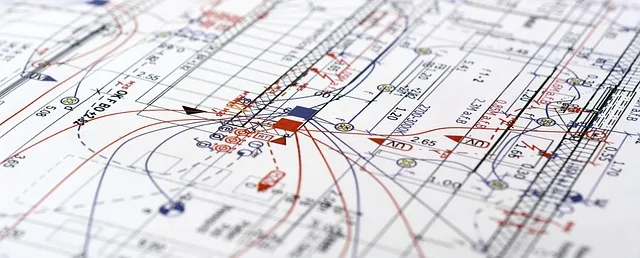
— Design/layout and load calculation.
— Concealed (rough-in) wiring: cables, box placement, conduit where needed.
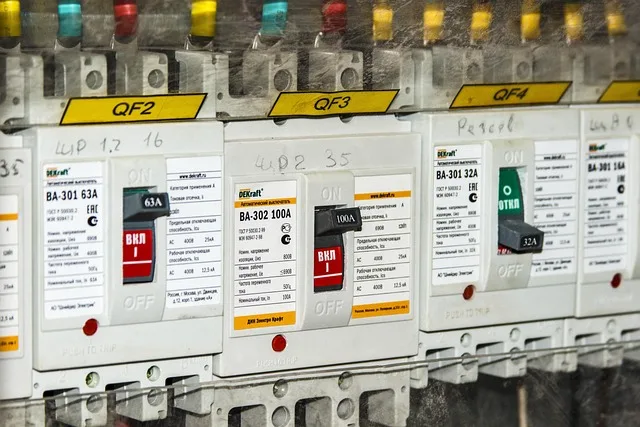
— Installation of distribution (consumer) unit — circuit breakers, RCDs (*УЗО*), surge protection.
— Final installation: sockets, switches, lighting fixtures, recessed boxes.
— Dedicated circuits for high-power appliances: electric stove, oven, hob, washing machine, boiler, electric heater/underfloor heating, air conditioners.
— Grounding/earthing and equipotential bonding.
— Meter installation or verification against the building meter.
— Testing, commissioning and handover documentation.
4. Materials and components to prioritize
— Cables: choose fire-retardant, low-smoke types recommended in Russia (NYM, VVGng etc.) — selected size per calculated load.
— Protective devices:
— Residual current devices (RCDs/*УЗО*) — typically 30 mA for personal protection on sockets and bathroom circuits.
— Circuit breakers (automatic switches) sized to intended load.
— Main residual device (300 mA) or surge protection for fire/earth-fault monitoring at the main board.
— Surge protection device (SPD) recommended for electronic equipment in Moscow where lightning and surges occur.
— Proper grounding/earthing system and bonding bars — must be verified and compliant.
— Fire-safe materials in stairwells/escape routes per building rules.
5. Standard electrical layout recommendations
— Kitchen: separate circuits for hob/oven, refrigerator, dishwasher, microwave, and general sockets. Consider extra circuits for future appliances.
— Bathroom: dedicated RCD-protected circuit(s), IP-rated fixtures and switches outside splash zones.
— Living rooms/bedrooms: 2–3 socket circuits depending on size; lighting circuits separate.
— Hall/entrance: one lighting circuit, one socket circuit for chargers and small appliances.
— Air conditioning: separate circuit with appropriate wiring and gauntlet.
— Reserve conduits and pull strings for future upgrades (smart home, extra cables).
6. Safety and testing
— All concealed work should be tested and recorded before closing walls: insulation resistance, continuity, polarity, RCD operation tests.
— Obtain and keep the *акт скрытых работ* and test reports — required for later warranty and resale.
— After finishing, a full commissioning with load testing is recommended.
— Never use uncertified or ad-hoc grounding — a correct earthing system is crucial.
7. Hiring a contractor in Moscow
— Look for electricians/companies with:
— Valid certificates and insurance.
— Positive reviews and portfolio of apartment projects.
— Written estimates, clear scope and timelines.
— Willingness to provide project documentation and acceptance acts.
— Ask about warranties on labor and components.
— Get at least 2–3 quotes and compare what’s included (materials, testing, documentation).
8. Costs and timelines (approximate guidance)
— Costs vary by apartment size, complexity, component quality and finish level.
— Simple upgrades or finishing wiring can take several days to 2 weeks; full rewiring