
Electrical Work in New Building Apartments — Moscow Owner’s Guide
Moving into a new apartment in Moscow is exciting — but the practical reality of electrics often determines comfort, safety and future costs. This guide explains what owners need to know about electrical work in newly built flats in Moscow: what to check at handover, typical upgrades, permits and approvals, how to hire a reliable electrician, rough costs and safety essentials.
Brief overview — why it matters
— New buildings may have technically correct installations, but layout, load calculations and protective devices are rarely tailored to a new owner’s needs.
— Mistakes or shortcuts in wiring, grounding and protection devices (RCDs/автоматы) lead to nuisance tripping, equipment damage or safety hazards.
— In Moscow you must also coordinate with the supply company and building management for metering and connection paperwork.
Key documents and standards to know
— PUE (Правила устройства электроустановок) — the main technical rules for electrical installations in Russia.
— Technical conditions (Технические условия, ТУ) and the energy supply contract with the local energy supplier (энергосбытовая компания).
— Acceptance documentation from the developer (акт ввода в эксплуатацию / технический паспорт) and the apartment handover certificate.
— Verification/calibration certificates for electricity meters (поверка) and sealing by the energy supplier.
Handover checklist (inspect immediately)
At the apartment handover, check and record:
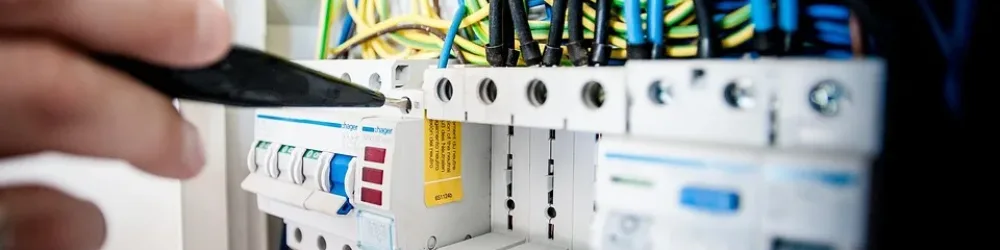
— Presence and condition of the apartment distribution board (электрощиток) and whether it is sealed.
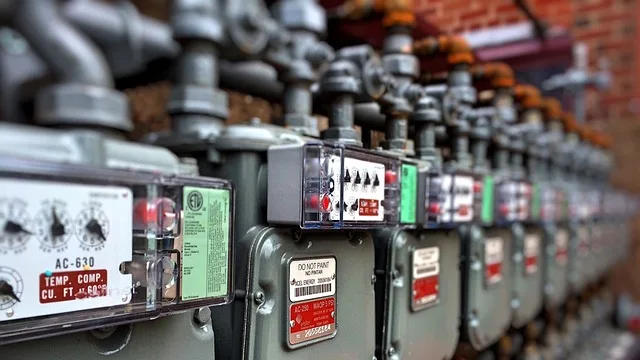
— Existence and type of meter(s) and seals; meter model and last calibration date.
— Presence of a separate protective earth (PE) conductor and grounding point — note whether the system is TN-C or TN-C-S.
— Labeling of circuits and presence of residual-current devices (УЗО) and automatic breakers (автоматы).
— Location and condition of input cable and riser (стояк), and any visible damage to cable insulation.
— Lighting and sockets — switch and outlet count and placement compared to the developer’s plan.
— Request and save all electrical as-built documentation from the developer.
Bring a checklist and photos; if anything looks deficient, add it to the defects list with the developer/management company.
Typical electrical works owners order
— Meter registration and sealing — contract with energy supplier, meter verification and sealing.
— Installing or replacing the apartment distribution board (щиток) with correct busbars, circuit breakers and RCDs.
— Adding dedicated circuits for:
— Electric stove / oven / hob (separate high-current line)
— Washing machine
— Dishwasher
— Electric water heater
— Air conditioning units
— Full or partial rewiring (if you reconfigure walls or need higher capacity).
— Grounding / equipotential bonding improvement (зануление/заземление corrections).
— Smart-home integrations and additional sockets/outlets.
— Testing: insulation resistance (мегомметр), loop impedance, RCD operation.
Typical cable and device choices
— Common cable types used in Moscow apartments: ВВГнг-LS, NYM (depending on preference and rules). Choose fire-retardant, low-smoke rated cable for risers and within apartments.
— Protective devices: automatic breakers (автоматы), RCDs (УЗО), and where needed combined RCBOs.
— For kitchen and large appliances — 2.5–6 mm² for outlets depending on load; 4–10 mm² or more for ovens/electric stoves.
Approximate costs in Moscow (ballpark ranges, 2024–2026)
Costs vary by apartment size, materials and contractor. These are typical Moscow ranges to help