
Electrical Work in New Building Apartments — Moscow
Moving into a new-build apartment in Moscow is exciting — but the electrical installation is one of the most important items to get right. Good electrical work protects your family, preserves appliances, and prevents costly rework. Below is a clear, practical guide to planning, executing and accepting electrical work in a Moscow apartment.
Quick overview: what the scope usually includes
— Design and load calculation (чертежи, схема распределения)
— Selection and installation of wiring, cables and conduits
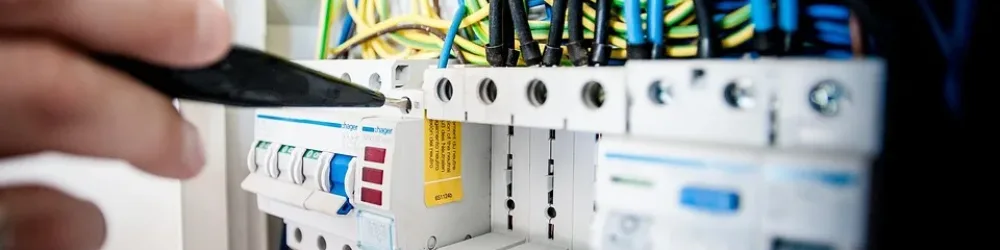
— Installation of the apartment distribution board (щит) with circuit breakers (автоматы) and residual current devices (УЗО)
— Meter installation and coordination with the grid operator (счетчик)
— Outlets, switches, lighting points, and built-in appliances (stove, oven, hob)
— Grounding and equipotential bonding (заземление)
— Protection devices: RCDs, surge protection (SPD)
— Final tests, commissioning and paperwork (проверочные акты, электрический паспорт)
Key local considerations for Moscow
— Comply with Russian standards (PUE — Правила устройства электроустановок) and local building regulations. Your contractor should be familiar with Moscow-specific requirements and the management company’s rules.
— Coordinate meter installation and connection with the grid operator (e.g., Мосэнергосбыт) and with the building’s management company (управляющая компания).
— Use fire-safe, low-smoke and halogen-free cables in common areas and as required by building rules.
— Many new buildings use a TN-C-S earthing system — verify the building’s actual earthing arrangement and design apartment bonding accordingly.
Step-by-step process (recommended)
1. Initial inspection and measurements
— Inspect the builder’s rough-in: location of conduits, distribution board opening, and incoming power point.
— Get the technical passport and plans for the apartment electrical inlet.
2. Design and load calculation
— Produce a written lighting and power circuit plan with calculated loads, cable sizes and breaker ratings.
— Decide locations of sockets, switches, appliances, AC units and special circuits (e.g., electric stove, boiler).
3. Approval and permits
— Submit the project to the management company or building developer when required.
— Arrange meter and connection work with the grid operator.
4. Installation
— Install cables, conduits and boxes per plan.
— Mount the apartment distribution board, breakers, RCDs and surge protection.
— Perform grounding and equipotential bonding.
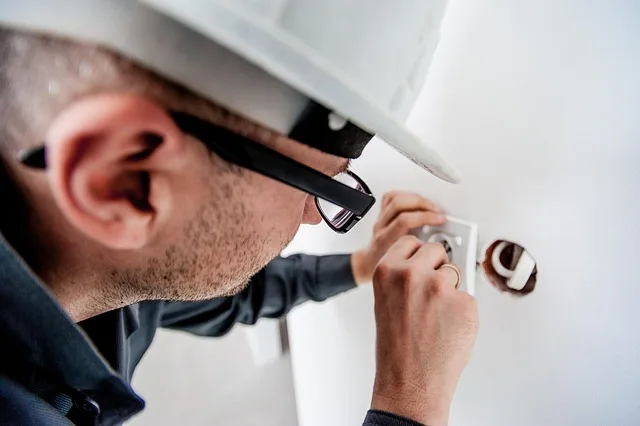
— Install outlets, switches, lighting fixtures and appliance circuits.
5. Testing and commissioning
— Perform insulation resistance tests, continuity, RCD trip tests and load checks.
— Produce and sign acceptance acts (акты выполненных работ) and an electrical passport if applicable.
6. Handover and documentation
— Provide the owner with as-built drawings, test results and warranty details for workmanship and components.
Safety and protection — what to demand
— RCDs (УЗО) on circuits where people and water coexist (bathrooms, kitchens).
— Individual circuit breakers for heavy loads: stove/hob, boiler, electric dryer, AC.
— Surge protection at the distribution board to protect sensitive electronics.
— Proper sized copper conductors for each circuit — under-sizing is a common risk.
— Reliable earthing and equipotential bonding, with a visible test/inspection result.
Typical apartment-specific circuits to plan
— General lighting circuits
— General power sockets (kitchen, living room, bedrooms)
— Cooker/stove (separate high-power circuit)
— Electric water heater or boiler (separate circuit)
— Washing machine and dishwasher (separate circuits recommended)
— Air conditioning split units (dedicated circuits)
— Balcony/outdoor lighting (if applicable)
— TV/Internet and intercom points (low-voltage wiring)
Common pitfalls in new-build Moscow apartments
— No or inadequate grounding — many early handovers lack proper earthing connections.
— Cheap components or underspecified breakers used to save cost.
— Meter installation delays because of missing or incorrect paperwork.
— Location of the distribution board or meter is impractical or locked by developer access.
— Lack of as-built documentation or test certificates at handover.
How to choose a contractor
— Verify they are licensed and insured; ask for examples of recent Moscow new-build projects.
— Ask for a written scope, materials list and a clear price (labor + materials).
— Require use of certified materials (marked with EAC or relevant certificate).
— Check for a warranty on work (typically 1–3 years) and request test reports on completion.
— Prefer contractors who can handle coordination with the management company and grid operator.
Handover checklist for owners
— Location and condition of meter and distribution board
— Presence and marking of circuits in the apartment panel
— RCDs and breaker ratings match the electrical plan
— Visible grounding connection and test results
— Signed acceptance acts and as-built electrical plan
— Copies of test certificates and warranties
— Accessibility of the meter and panel for future service
Upgrades and smart options
— Install surge protection to protect expensive appliances and electronics.
— Consider modular distribution boards that allow easy future expansion.
— Pre-wire for smart-home systems, remote control lighting, and additional sensors to avoid later wall chasing.
— Add extra