Introduction
Moving into a new apartment in Moscow brings the advantage of modern construction — but electrical systems often require adaptation to your lifestyle. This guide outlines what to expect from the developer, what upgrades and permissions are commonly needed, safety and regulatory essentials, and practical steps for hiring the right professionals.
What the developer typically supplies
— Basic incoming power and a main meter (installed and sealed by the utility/energy supplier).
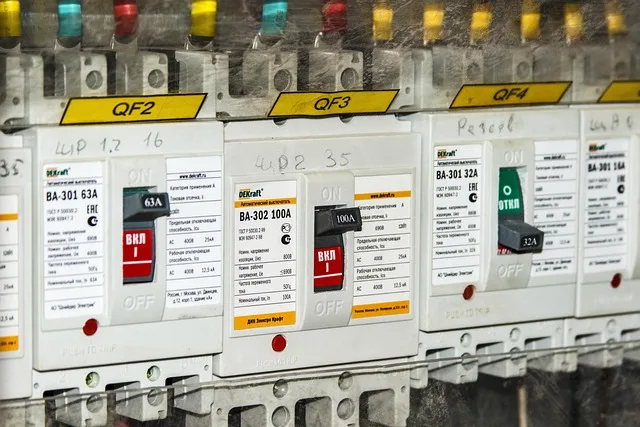
— A distribution cabinet (щит) or apartment consumer unit, often with basic circuit breakers.
— Standard rough-in wiring for lights and sockets.
— Manufacturer and warranty documentation for installed equipment.
*Before you alter anything, check the handover documents and the builder’s warranty conditions — unauthorized changes can void parts of the warranty.*
Common reasons to upgrade or redo electrical work
— Adding high-power appliances (electric oven, electric cooktop, sauna, or EV charger).
— Reconfiguring layout for open-plan kitchens, additional lighting, or home office setups.
— Upgrading protection: adding RCDs/RCBOs (УЗО/дифференциальные автоматы) and surge protection.
— Switching to fire-retardant, low-smoke cables and modern sockets/switches.
— Installing smart-home systems, distributed loads, or separate sub-metering.
Step-by-step process (recommended)
1. Review developer documentation and apartment electrical plan.
2. Discuss intended changes with the building management company (УК/ТСЖ) — check common-area interfaces and rights.
3. Hire a qualified electrical designer or certified electrician to prepare a project (проект) if required.
4. Obtain any necessary approvals from the management company and energy supplier (for increased capacity or 3-phase connection).
5. Schedule work with a licensed contractor; ensure they provide certificates and guarantees.
6. After work: perform inspection, create an as-built schematic, and update the distribution board labeling. Submit required acts to the energy supplier or management if needed.
Technical essentials and best practices
— Load calculation: always base cable sizes and protective devices on a proper load calculation. Typical practice (for reference only): 2.5 mm² copper for general sockets, 4–6 mm² for electric ovens/large loads — final choice must be by a professional.
— RCDs/RCBOs: install residual-current protection on circuits supplying wet areas (kitchen, bathroom), outdoors, and on high-risk appliances.
— Surge protection (УЗИП): recommended for apartments with sensitive electronics or in storm-prone seasons.
— Earthing and equipotential bonding: ensure the apartment’s protective earth (PE) is properly connected and tested. New buildings usually use TN-C-S or TN-S systems; confirm with the building electrician.
— Fire safety wiring: use low-smoke, halogen-free cables (нг-LS) in common areas and as recommended by the developer/building rules.
— Distribution board: organize circuits with clear labeling, spare spaces for future expansion, and separation of lighting, sockets, HVAC, and kitchen appliances.
— Metering: meters must be installed, sealed and registered by an authorized organization. If increasing capacity you’ll need new technical conditions (технические условия).
Permits, notifications and who to contact in Moscow
— Energy supplier (e.g., Мосэнергосбыт) — for contracts, meter installation and changes in capacity.
— Building management company / developer (УК/ТСЖ) — for approvals affecting common systems or penetrations through fire barriers.
— Licensed design/installation company — for project documentation, work execution, and issuing completion certificates.
— If you alter load allocation significantly (3-phase supply, EV charging, or dedicated high-power circuits), request technical conditions (технические условия) from the grid operator and the supplier.
Choosing a contractor
— Look for certificates of competence and insurance; ask for references and examples of similar work in new-builds.
— Prefer companies