
Electrical Work in New Building Apartments in Moscow
Moving into a new apartment in Moscow is exciting — but electrical work requires careful planning and professional execution. Whether the developer supplies rough-in wiring or the unit is handed over with minimal electrics, understanding what needs to be done ensures safety, comfort and compliance with local rules.
Legal and regulatory basics (what to know)
— In Russia, electrical installations must comply with the *Правила устройства электроустановок (ПУЭ)* and applicable *СНиП/ГОСТ* standards. Local grid operator technical conditions (технические условия) govern connection and contracted capacity.
— Any work that changes the building’s power connection, meter placement or main switchboard must be coordinated with the utility and may require permits and acceptance tests.
— Always use certified materials and hire electricians with appropriate qualifications and electrical safety group ratings. Insist on documentation: certificates, warranty, and completion/acceptance acts.
Planning and design: start here
— Determine your actual power needs based on appliances, heating, and future upgrades (electric stoves, EV chargers, heat pumps, etc.).
— Get or request the apartment’s schematic from the developer (existing risers, distribution box location, meter position).
— Decide on wiring philosophy early: hidden (in-wall conduits), open wiring in decorative channels, or a combination.
— Plan circuits for lighting, sockets, kitchen appliances, HVAC, washing machine, water heater and any dedicated heavy loads.
Typical components and layout
— Main distribution board (MDB) or apartment-level consumer unit with:
— Main circuit breaker and residual current devices (RCDs/ УЗО)
— Individual circuit breakers (lighting, sockets, kitchen, HVAC)
— Surge protection (recommended)
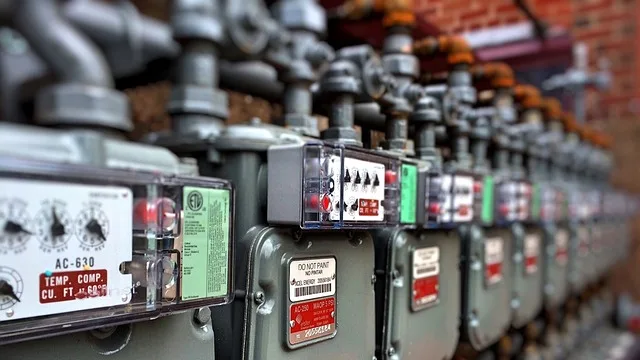
— Meter box and sealing as required by the utility.
— Grounding/earthing and bonding to building system or dedicated local earthing rod if required.
— Cable types and cross-sections chosen to match load and length (use fire-resistant cables where mandated).
— Conduits, junction boxes and properly rated switches/sockets.
Grounding, protection and safety
— Earthing and equipotential bonding are non-negotiable — they protect people and equipment and must meet building standards.
— Install RCDs to protect against earth faults, and appropriately size breakers to prevent overloads.
— Use fire-retardant cables and keep wiring routes away from potential moisture sources.
— Label circuits clearly in the board and keep an as-built plan for future work.
Metering, connection and billing
— The developer usually arranges primary connection and meter installation, but in some cases owners must apply for metering and specify contracted capacity.
— Check meter type and location; meters must be accessible to utility representatives per the agreement.
— If you plan capacity upgrades (e.g., to install an electric stove or high-capacity charger), submit technical conditions and coordinate with the grid operator early — upgrades can take weeks or months.
Modern solutions: smart home and energy efficiency
— Consider smart switches, energy monitoring, programmable thermostats and remote control circuits for convenience and energy savings.
— Install dedicated circuits for high-load, energy-hungry devices rather than relying on multi-socket adapters.
— Think about future-proofing: additional empty conduits, reserve space in the distribution board, and pre-installed wiring for internet and multimedia.
Common mistakes to avoid
— Relying on undersized cables or cheap materials — leads to overheating and fire risk.
— Mixing neutral lines or incorrect phasing in multi-circuit setups.
— Omitting RCDs and surge protection for sensitive appliances.
— Starting cosmetic finishes before finalizing wiring routes or placement of sockets/switches.
— Hiring unlicensed workers or failing to obtain proper acceptance documentation.
Hiring the right contractor
— Choose a licensed electrical contractor with references and insurance.
— Verify qualifications (electrical safety groups, certifications) and ask for an estimate with a clear list of materials and labor.
— Require a written scope, timeline, warranty terms and an as-built wiring diagram on completion.
— For work affecting building distribution or meter reconfiguration, ensure the contractor will coordinate with the developer and the grid operator.
Timeframe and budget considerations
— Simple rewiring and installation of new circuits in a finished apartment: days to 2–3 weeks depending on scope.
— Larger upgrades (capacity changes, new meter, major redistribution) require coordination with the utility and can take weeks to months.
— Costs vary by scope, materials and finish level — get several quotes and prioritize quality for critical items like breakers, cables and RCDs.
Checklist for new apartment owners in Moscow
— Obtain original electrical layout from developer.
— Confirm contracted power capacity and meter location.
— Decide on circuits, socket/switch placement and special requirements.
— Hire a qualified electrician/contractor; sign a written contract.
— Use certified materials and require warranties/certificates.
— Coordinate with grid operator for any changes to the main connection.
— Receive and store acceptance/commissioning documents and the as-built wiring diagram.
Conclusion
Electrical work in new Moscow apartments combines regulatory requirements, practical planning and safety-first execution. Early planning, hiring qualified professionals, and insisting on proper documentation will save time, reduce future costs and protect your home and family. If you’re unsure where to start, request the apartment’s electrical scheme from the developer and schedule a consultation with a licensed electrician to create a clear, compliant plan.