Electrical Work in New-Build Apartments: Practical Guide for Moscow Residents
Moving into or finishing an apartment in a new Moscow building brings a unique set of electrical questions: what standards apply, how to plan load and circuits, who must sign off work, and how to avoid costly rework. This guide gives a clear, practical roadmap for owners, designers and contractors.
Key Russian standards and requirements
— Follow the Rules for Electrical Installations (Правила устройства электроустановок — *PUE*) and applicable regional building codes and developer specifications.
— Use certified components that meet GOST/EN standards and have accompanying technical documentation.
— Coordinate connection, metering and final acceptance with the local network operator and the supplying company (the city’s utility/network organization).
Typical scope of electrical work in a new apartment
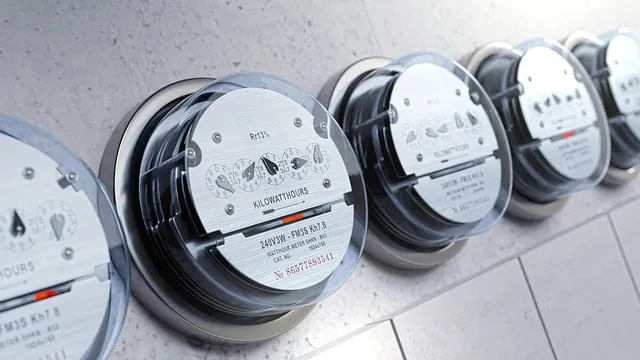
— Main incoming cable and meter installation (coordination with the network operator).
— Mounting the distribution board (щит) and installing protective devices (circuit breakers, RCDs).
— Laying wiring and cabling to sockets, lighting points, appliances.
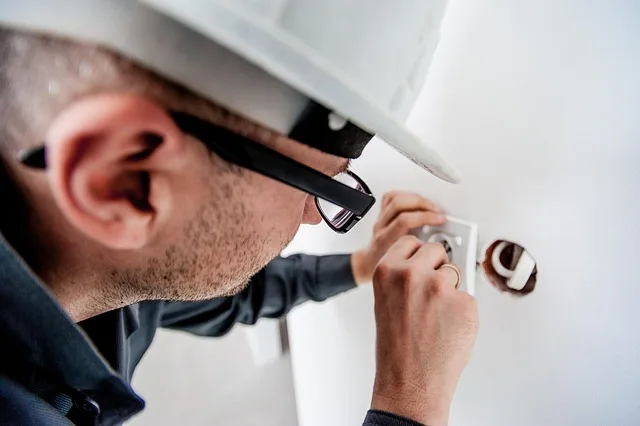
— Installing sockets, switches, lighting fixtures, and built-in appliances (oven, hob, boiler).
— Earthing/grounding and equipotential bonding.
— Surge protection (SPD) and RCD selectivity for safety.
— Final testing, labeling and handing over documentation.
Recommended design basics
— Circuit separation: lighting circuits (1.5 mm² copper), general sockets (2.5 mm²), heavy appliances (stove, boiler, heat pump — 4 mm² or 6 mm² and up depending on power), dedicated circuits for washing machine, dishwasher, microwave, EV charger etc. *Use copper conductors and flame-retardant cable types (e.g., ВВГнг-LS or equivalent).*
— Protective devices: one automatic breaker per circuit, RCDs/RCBOs for human protection (type AC/A as required), selective arrangement to avoid nuisance trips.
— Earthing: ensure the building earthing scheme is implemented and that apartment equipotential bonding is performed. Many new buildings in Moscow use TN-C-S schemes — check the developer’s solution and the network operator’s requirements.
— Metering: allow space for the electric meter and seals; consider a space for a smart or multi-tariff meter if offered.
— Surge protection: install at least Type 2 SPD at the main distribution board; consider additional protection for sensitive electronics.
— Lighting: plan switching groups, dims, and smart controls where wanted; provide for LED-compatible drivers.
Stages and timeline (typical)
1. Design and load calculation — define circuits and power needs (1–3 days).
2. Procurement of materials and equipment — order cable, panel, devices (3–10 days).
3. Rough-in wiring and panel installation — during construction/finishing (1–2 weeks depending on apartment size).
4. Final connections, device installation and testing — after finishing surfaces (1–5 days).
5. Acceptance and documentation — commissioning tests, signatures, handing over certificates (1–3 days).
Total time: typically 1–4 weeks depending on complexity and schedule coordination.
Who should do the work?
— Use a licensed, insured electrician or electrical company experienced with Moscow apartment projects.
— For meter installation, changes to the incoming supply or work affecting the building’s main board, coordinate with and use the authorized network organization — some actions require certified contractors and official acts.
— Always request: copy of contractor’s license/certificates, insurance, examples of previous projects, and a written estimate and contract.
Documentation and handover checklist
— As-built wiring diagram and circuit labeling.
— Certificates and passports for major equipment (meters, RCDs, SPDs).
— Test protocol: insulation resistance, continuity of protective conductors, RCD trip tests, phase sequence where relevant.
— Warranty terms for workmanship and components.
— Metering act and seals (if the meter was changed or installed).
— Contact details for the electrician/company for post-installation service.
Common mistakes to avoid
— Underestimating load and not providing separate circuits for high-power appliances.
— Using undersized cable or aluminum instead of copper in critical circuits.
— Skipping RCDs or surge protection to save cost — higher risk of damage and electric shock.
— Not coordinating with the network operator for meter and incoming-line works