Electrical Work in New-Build Apartments — Moscow Guide
Moving into a new apartment in Moscow often means taking responsibility for finishing or upgrading the electrical system left by the developer. Good planning protects your family, prevents expensive rework, and ensures the apartment meets modern comfort and energy-efficiency needs. This guide covers what to expect, legal and safety basics, design and installation tips, hiring contractors, paperwork, a budget/timeline overview, and a final inspection checklist.
Quick overview: what typically happens in a new-build apartment
— Developers commonly deliver a distribution cabinet (щиток) with a main breaker and a meter (or meter provision) and basic rough wiring.
— Final interior wiring, sockets, lighting locations, switches and appliances installation are usually left to the buyer or finishing contractor.
— Any increase in contracted capacity, installation of an electric stove (hob) or three-phase equipment requires coordination with the local network operator and possibly a project.
Regulations and safety basics (Moscow context)
— Follow Russian electrical rules and best practice — e.g., PUE (Правила устройства электроустановок) and requirements of the local network operator.
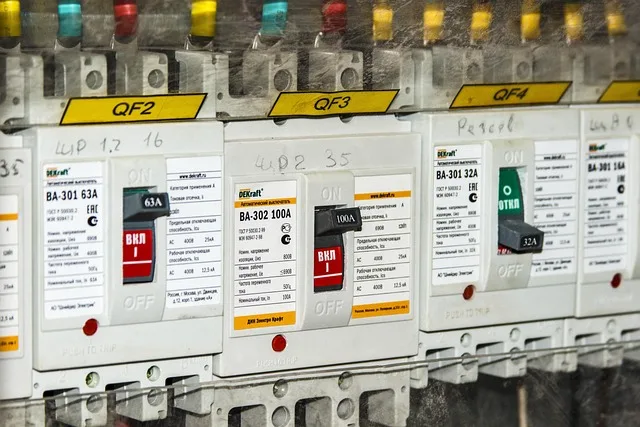
— Install properly rated circuit breakers and residual current devices (RCD, in Russian — УЗО). Use surge protection where needed.
— Ensure reliable earthing/grounding and equipotential bonding. In many Moscow buildings the earthing scheme is TN-C-S — verify on site.
— For major changes, increased load, or new three-phase connections, engage a licensed electrical engineer and notify the distribution network operator (e.g., Mosenergosbyt / your local DNO).
Design considerations before any work
— Plan the apartment layout first: furniture, kitchen appliances, TV positions, work areas, washing machine, HVAC and charging points.
— Decide on lighting design: ambient, task, accent, and zones controlled by switches or smart systems.
— Allocate dedicated circuits for high-power appliances: oven/hob, electric boiler, washing machine, HVAC/heat pumps, EV-charger (if applicable).
— Consider smart-home infrastructure (low-voltage cabling, UTP for network, dedicated circuits for smart hubs).
— Label every circuit clearly on the distribution board for easier maintenance.
Typical wiring practices and recommended cable sizes (common guidance)
(These are typical recommendations — always confirm with your electrician/engineer based on loads)
— Lighting circuits: multi-strand copper 1.5 mm².
— General-purpose sockets (rooms): copper 2.5 mm².
— Electric stove/oven and other high-power single-phase appliances: 4 mm²–6 mm² as required.
— Air conditioning / heat pumps / heavy loads / EV charging: consult an engineer; may require separate lines and larger cross-sections or three-phase.
— Use fire-resistant, approved cable types (e.g., NYM or approved equivalents), correct insulation ratings and heat-resistant conduits where required.
Protection devices and the distribution board
— Main elements: main breaker, individual circuit breakers (MCB), RCDs (УЗО) for human protection, and surge protection devices (SPD) for transient over-voltages.
— Use selective coordination between upstream and downstream protective devices.
— Keep spare space in the cabinet for future circuits and upgrades.
— Label each DIN module with circuit name and expected load.
Metering and connection notes
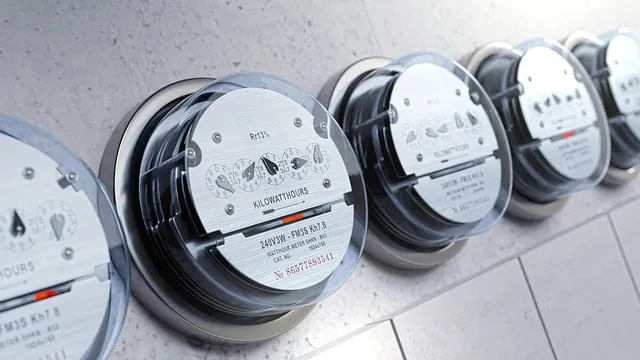
— Determine who installs/seals the meter — in many cases the network operator or developer handles meter installation or replacement.
— If you need increased capacity or a three-phase meter, submit an application to the network operator; this may require a formal project and takes time.
— Keep all seals, metering certificates and energy-company acts intact — these are required for legal power supply and resale.
Paperwork, permits and acceptance documents
— For minor cosmetic wiring inside the apartment, a full municipal permit may not be necessary, but always obtain: