Electrical Work in New Building Apartments — Moscow
Renovating or finishing electrical systems in a new Moscow apartment is more than wiring sockets and lights. It’s planning for safety, comfort and future needs while complying with Russian standards and local utility requirements. This guide walks you through what to expect, who to contact, costs and practical tips so your electrics are reliable and compliant.
Quick overview: what’s usually needed
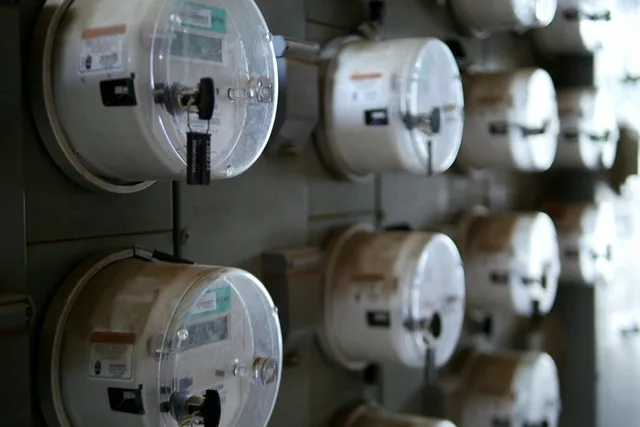
— Inspection of the developer’s base installation (distribution board, risers, meter).
— A project (electrical layout and load calculation) for any significant changes.
— Coordination with the building management and the local grid operator for capacity changes.
— Work carried out by qualified electricians with certificates and insurance.
— Final testing, documentation and handover.
Key Moscow-specific considerations
— Grid operator and supplier: distribution network issues and capacity upgrades are handled by the local grid operator (e.g., MOESK/Rosseti). Electricity supply contracts are with suppliers (e.g., Mosenergosbyt). If you need increased capacity or a three‑phase connection, you must apply to the operator.
— Developer vs owner scope: many new-builds are handed over with basic wiring. Major changes inside load-bearing walls or risers may require the developer’s approval or their contractor.
— Local rules and standards: works must follow Russian standards and the PUE (Правила устройства электроустановок). Always request documentation proving compliance.
Typical steps and timeline
1. Preliminary inspection (1–3 days)
— Review the developer’s drawings, meter location, and existing panel.
— Decide scope: cosmetic layout changes or full rewiring.
2. Design and load calculation (3–7 days)
— Create a circuit plan, specify protective devices (RCDs, breakers), earthing, cable types and routes.
3. Approvals and permits (varies)
— Small internal works often need only homeowner consent; capacity changes require application to the grid operator.
4. Installation (1–4 weeks depending on scope)
— Install cables, sockets, lighting, distribution board; test and commission circuits.
5. Handover and documentation (1–3 days)
— Receive test reports, certificates, and an updated circuit map.
Total: simple upgrades — 1–2 weeks; full rewiring and panel changes — 2–6 weeks (including approvals).
Safety priorities and mandatory protections
— Earthing/PE system: ensure a reliable protective earth and bonding of metal elements.
— Differential protection (RCDs/RCBOs): protect against earth faults, especially in wet rooms (kitchen, bathroom).
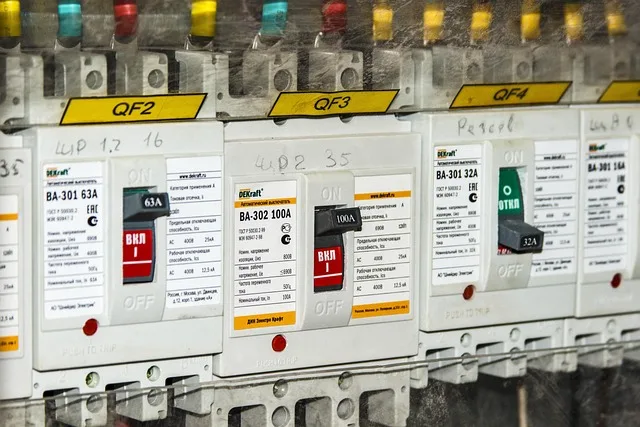
— Correct fuse selection and selective protection to avoid nuisance trips and ensure safety.
— Surge protection if required (especially for sensitive electronics).
— Use cables and equipment compliant with GOST and fire-safety standards (non‑flammable or low-smoke where needed).
— Smoke detectors and emergency lighting for larger units or where local regs require them.
Circuit planning — what to separate
— Dedicated circuits for kitchen (oven, hob), washing machine, dishwasher.
— Separate circuit for HVAC/heat pump and for electric water heaters.
— Lighting circuits separate from sockets.
— Consider a dedicated circuit or three‑phase supply for high-power appliances or EV charging.
— Data and TV cabling should be planned alongside power routes to avoid interference.
Choosing cables, devices and materials
— Use certified cables suitable for concealed installation and fire safety requirements.
— Modern distribution board: space for future breakers, DIN-rail RCDs, MCBs, surge arresters, a labeled circuit map.
— Prefer LED-ready fixtures, energy-efficient solutions and remote control options where useful.
Hiring contractors — what to insist on
— Qualified electricians with certification and insurance.
— Written contract specifying scope, guarantees and defect liability period.
— Clear project documentation (schematics, load calculations) and work permits where needed.
— Client references and photo documentation of work stages (especially when hiding wiring behind finishes).
— Warranty on both materials and installation.
Costs — factors and ballpark figures
Costs depend strongly on scope, quality of materials and Moscow labor rates. Typical factors:
— Per-point cost for adding sockets/lighting (minor works).
— Per-meter cost for concealed wiring and trunking.
— Distribution board upgrade or panel replacement.
— Design and permit fees.
Ballpark examples (very approximate; get quotes):
— Simple socket or lighting point: low thousands of RUB each.
— Full rewiring of a 2–3 room apartment: tens of thousands to over 100,000 RUB depending on materials and finish.
— Distribution board upgrade including RCDs, MCBs and surge protection: 20–70k+ RUB.
Always obtain at least 2–3 written quotes and insist on itemized estimates.
Handover checklist (what to get from your contractor)
— Final schematic showing circuits and breaker assignments.
— Test reports for RCDs, insulation resistance and continuity checks.
— Certificates for installed equipment (where applicable).
— Warranty document and contact details for service.
— Advice on breaker labeling and simple maintenance.
Energy-efficiency and future-proofing tips
— LED lighting and zones with dimmers/time switches.
— Smart switches, scene controllers and remote control-ready circuits.
— Extra spare conduits/cable routes to add future cables without major demolition.
— Leave space in the distribution board for