Electrical Work in New Building Apartments — Moscow Guide
Moving into a new apartment in Moscow is exciting, but ensuring the electrical installation is safe, functional and future‑proof is essential. This article walks you through what to expect, what to check, and how to hire the right professionals so your home is comfortable, compliant and secure.
Why proper electrical work matters
— Safety: prevents fires, electric shocks and equipment damage.
— Reliability: avoids frequent outages, tripping and downtime.
— Comfort and convenience: supports modern appliances, lighting and smart devices.
— Resale value: professionally finished electricals add to the apartment’s attractiveness.
Stages of electrical work for a new apartment
1. Inspection and acceptance
— Check the incoming cable, meter location and the building’s distribution point.
— Verify package of handover documents from the developer (schematics, certificates, protocols).
2. Project and planning
— Create a wiring plan showing sockets, switches, lighting zones, appliances and protective devices.
— Calculate loads and decide on circuit separations (lighting, sockets, kitchen appliances, HVAC, etc.).
3. Permits and coordination
— Coordinate with the building management and the local grid operator as required.
— Ensure all work complies with applicable standards and the building’s technical conditions.
4. Installation
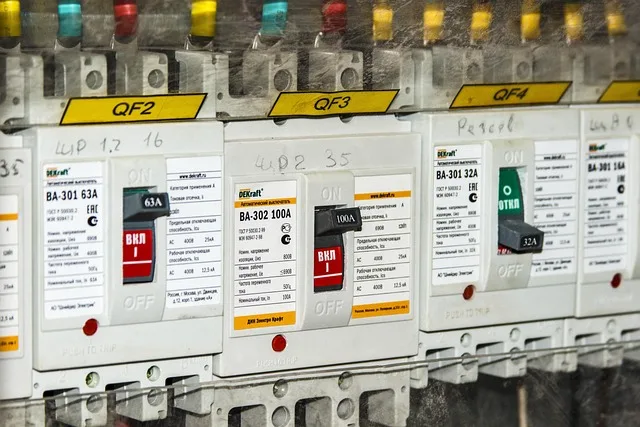
— Install distribution board (щиток), circuit breakers (автоматы), RCD/УЗО, grounding and cable routes.
— Lay cables (in conduits, chases or underfloor as decided) and mount outlets, switches and fixtures.
5. Testing and commissioning
— Perform insulation resistance tests, protective device tests and phase/neutral verifications.
— Produce test reports and finalize the wiring diagram.
6. Handover and documentation
— Receive completed wiring diagrams, test protocols, component certificates and warranty info.
Key elements to specify and inspect
— Distribution board: space for future expansion, clear labeling of circuits.
— Protection: circuit breakers for overload/short-circuit and RCDs for earth-fault protection.
— Grounding and equipotential bonding: essential for safety and required for many appliances.
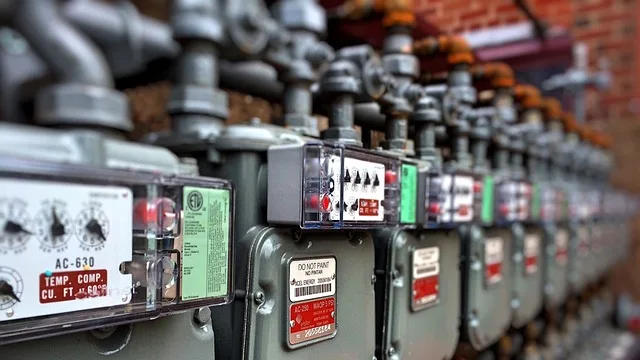
— Metering: correct placement and sealing according to the grid operator’s rules.
— Cable types & routing: use appropriate cables (non‑flammable ratings where required); avoid long unprotected runs.
— Separate circuits for heavy loads: electric oven, induction hob, washing machine, HVAC systems and water heaters.
— Bathroom and wet areas: dedicated protected circuits and appropriate fixtures.
— Surge protection: recommended for areas with sensitive electronics or unstable supply.
— Lighting design: zones, dimmable circuits and energy‑efficient LED fixtures.
— Smart home and automation: plan low-voltage cabling and power points for controllers, Wi‑Fi access points and security systems.
Practical Moscow considerations
— Coordinate with the building’s management company and the local grid operator before any work at the entrance or meter.
— Verify developer documentation at handover — incomplete or missing electrical protocols are a common source of disputes.
— In multi‑apartment buildings, communal systems (e.g., transformer rooms, building earthing) may affect how your installation is connected; ask for clarifications from the management.
Documents you should get after work is complete
— Wiring diagram of the apartment (as‑built).
— Test certificates and measurement protocols (insulation resistance, RCD operation, etc.).
— Product certificates and warranties for breakers, RCDs, meters and major equipment.
— Acceptance act signed by the electrician and, when required, by the building representative or grid operator.
How to choose an electrician or team
— Qualifications: ask for proof of professional qualifications and membership in a relevant association or SRO when applicable.
— Experience: prefer teams with experience in Moscow high‑rise and new‑build specifications.
— Insurance: contractor liability insurance protects you in case of installation faults causing damage.
— References and portfolio: check previous projects, ask for client contacts or photos.
— Written estimate and timeline: detailed cost breakdown, scope, materials list and warranty terms.
— Contract: require a clear contract with milestones, payment schedule and acceptance criteria.
Questions to ask a prospective electrician:
— Do you provide a full wiring diagram and test protocols?
— Which protective devices do you recommend and why?
— How do you size circuits for heavy appliances?
— What warranties and after‑service support do you offer?
— Do you coordinate with the building management and grid operator?
Common pitfalls to avoid
— Leaving the developer’s handover unchecked — missing or untested systems can hide problems.
— Under‑sizing cables or breakers for appliances (kitchen/AC) — leads to overheating and nuisance trips.
— Skipping proper grounding and equipotential bonding tests.
— Using low‑quality components to save on upfront cost — can be more expensive and dangerous long term.
— DIYing complex mains work without proper certification.
Tips for a future‑proof installation
— Leave spare capacity in the distribution board and extra conduits for later upgrades.
— Use modular and labeled panels for easy maintenance and expansion.
— Choose LED lighting and energy‑efficient appliances to reduce load and bills.
— Plan for smart home integration now — adding low‑voltage cabling and reserved space avoids costly changes later.
— Consider surge protection and UPS for critical electronics.
Final checklist before acceptance
— All circuits clearly labeled in the distribution board.
— RCDs and breakers tested; test reports provided.
— Insulation resistance above acceptable threshold (request results).
— Proper grounding and equipotential bonding verified.
— Meter installed and sealed as required; grid operator procedures satisfied.
— All fixtures and sockets installed and functioning.
— Documentation and warranties handed over.
Conclusion
Electrical work in new Moscow apartments is a mix of technical requirements and practical decisions. Protect safety and long‑term convenience by planning carefully, using qualified professionals, and insisting on complete documentation and testing. If unsure, get two independent estimates and verify that the contractor will coordinate with your building management and the local grid operator.
If you want, I can:
— Provide a sample checklist you can print and use during acceptance.
— Draft a list of questions to include in a contract or estimate.
— Review a wiring diagram or estimate you received (upload files or paste details).