
Electrical Work in New-Build Apartments (Moscow)
This guide explains what to expect when planning or ordering electrical work in a newly constructed apartment in Moscow: regulations, typical stages, safety rules, hiring advice, timelines and rough cost ranges. It’s focused on new buildings and on the local practical and regulatory context in Moscow.
Key requirements and regulations
— Follow Russian technical standards and rules, primarily:
— Правила устройства электроустановок (PUE / ПУЭ).
— Applicable СНиП and local building regulations enforced by the developer/municipal authorities.
— Coordinate with the local grid operator (сетевой оператор) to obtain technical conditions (технические условия, ТУ) and the connection agreement.
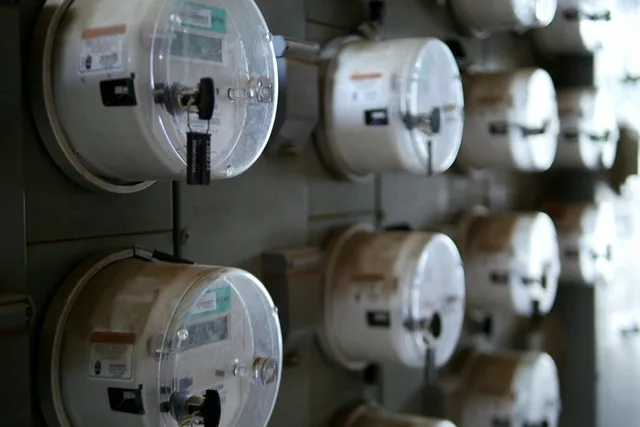
— Metering (счётчик) and main distribution cabinet (вводной щит) must comply with the grid operator’s requirements and be installed/accepted according to procedure.
— All installation work must be performed by qualified electricians and documented with the required acceptance acts and warranties. For larger works or changes to the building’s electrical scheme, official project documentation and approvals may be required.
Typical scope of electrical work in a new apartment
— Design and preparation of an electrical plan (lighting, sockets, appliances, load calculations).
— Selection and supply of materials: cable, DIN-rail breakers and RCDs (УЗО), distribution boards, sockets, switches, junction boxes, grounding and bonding components, lighting fixtures.
— Installation of concealed cabling, mounting boxes, distribution board and protective devices.
— Meter installation and handover coordination with the grid operator.
— Testing, commissioning, issuing of installation acceptance act (акт выполненных работ / протокол испытаний).
— Optional: smart-home integration, energy monitoring, additional power supply (three-phase), air conditioning or EV-charging readiness.
Practical steps — what to expect (high-level)
1. Clarify the developer’s scope: often the developer provides an electrical stub/rough connection; check what is included in the handover.
2. Obtain or order an apartment electrical plan. If changing layouts or loads, a professional design may be required.
3. Agree technical conditions with the grid operator if higher load or special connection is needed (e.g., three-phase supply).
4. Hire a licensed electrician or certified electrical team (contract, insurance, guarantee).
5. Purchase materials (or ask contractor to supply).
6. Installation (routing, sockets, circuit breakers, earthing).
7. Testing: insulation resistance, RCD and breaker tests, load checks.
8. Handover and paperwork: meter installation, acceptance by the grid operator or Управляющая компания, receive required acts and warranties.
Note: This is a high-level overview — do not attempt live wiring without certification; always use qualified professionals.
Safety essentials (non-actionable highlights)
— Always use RCDs (УЗО) and circuit breakers appropriate to circuit loads.
— Proper earthing (grounding) and equipotential bonding are mandatory.
— Separate circuits for heavy appliances (electric stove, boiler, HVAC, washing machine).
— Use fire-rated cabling and correct cable cross-section for the load.
— Label circuits clearly in the distribution board.
— After installation, perform formal electrical testing and obtain test protocols before switching on major loads.
Hiring an electrician or company — checklist
— Confirm licensing, qualifications and experience in apartment installations.
— Ask for insurance and written guarantees on works and materials.
— Request references and pictures of completed projects.
— Get a detailed written estimate, specifying materials, brands and work scope.
— Ensure the contract includes lead times, payment schedule, acceptance criteria and warranty terms.
— Require issuance of proper test reports and an installation acceptance act.
Typical timelines (approximate)
— Design: 1–10 working days (simple layout vs. detailed project).
— Grid operator technical conditions and approvals: 1–8 weeks (depends on requests).
— Installation for a 1–3 room apartment: 3–10 working days (depends on finish and complexity).
— Testing and meter handover: 1–5 working days.
Cost guidance (very approximate, Moscow)
— Basic wiring (standard finishes, sockets + lighting, distribution board) for a small-to-medium apartment: ~60,000–200,000 ₽.
— Quality materials and switching equipment, additional circuits and RCDs: expect mid-range projects around 150,000–350,000 ₽.
— Full upgrade with smart-home, designer fixtures, three-phase supply or heavy appliance wiring: 200,000–600,000+ ₽.
Costs vary widely by apartment size, number of points (sockets/switches), materials