Electrical Work in New Building Apartments (Moscow)
Planning electrical work in a new apartment in Moscow requires balancing safety, regulations, modern conveniences and coordination with the developer and local utility. This guide covers the typical stages, technical essentials, legal/administrative points and practical tips to get a reliable, safe electrical installation that suits Moscow living.
Quick overview
— *Who is involved*: developer / builder, apartment owner, licensed electrician or electrical contractor, building management (ТСЖ/УК), regional network/energy supplier.
— *Main stages*: design → rough-in (black work) → wiring & equipment → finishing → testing & handover.
— *Key documents*: wiring diagram, electrical passport for the apartment board, protocols of measurements (insulation resistance, loop impedance, RCD tests), «акт скрытых работ», warranty and acts of completed works.
Stages of electrical work
1. Design and load calculation
— Determine circuits: lighting, general sockets, kitchen sockets, large appliances (oven, induction hob, boiler), HVAC, underfloor heating, EV-charger (if planned).
— Perform load calculation and choose fuse/line ratings — vital if planning electric stove or electric heating (may require a separate agreement with the network operator).
— Produce a floor plan with switch/socket/fixture locations and a single-line diagram for the distribution board.
2. Coordination with developer and utilities
— Check what the developer already supplies: meter, riser, main shutoff, building earthing.
— Inform the building management (ТСЖ/УК) about any work that affects risers or common areas.
— If your planned electrical load is higher than the contract capacity, coordinate with the regional network operator and the supplier to increase capacity and agree metering changes.
3. Rough-in (black work)
— Install conduit/cable routes inside walls or in open channels according to the design.
— Set box locations and height rules — agree with finishing works to avoid conflicts.
— Obtain an «акт скрытых работ» (hidden works act) after rough-in and before closing walls.
4. Final wiring and equipment
— Pull cables, install sockets, switches, fixtures.
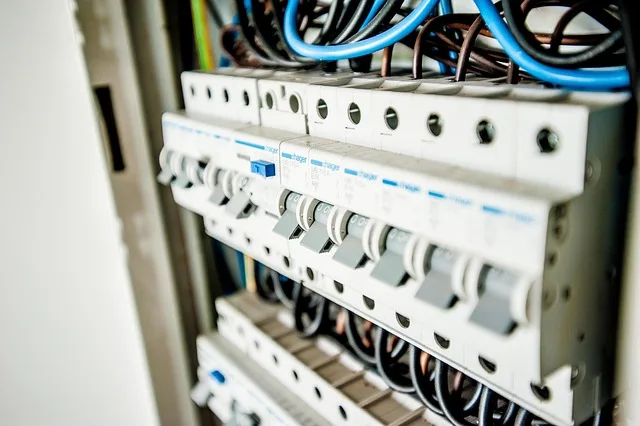
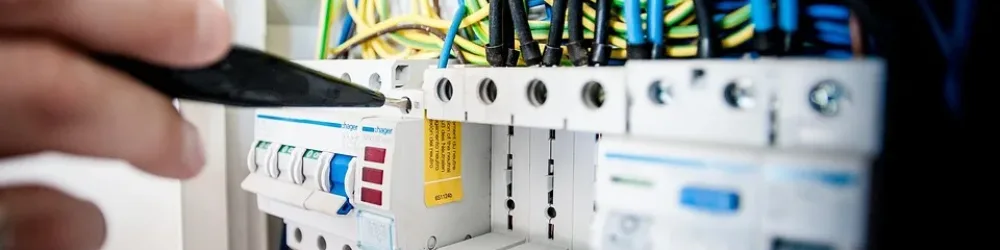
— Mount the apartment distribution board (щиток), install DIN-rail breakers, RCDs (УЗО/УЗИП), surge protectors if needed.
— Ensure proper earthing/PE connections. In Russia, the building earthing loop is typically used; confirm with the building electrical plan.
5. Testing and commissioning
— Perform insulation resistance tests, continuity, loop impedance and RCD trip tests.
— Prepare measurement protocols and hand these over with the electrical passport.
— Stamp any required documents with the installing company’s details and provide warranty terms.
Technical essentials and best practices
— Cables and wiring:
— Use brand-name cables rated for the expected load; common choices: NYM, VVG depending on installation.
— Separate lighting and socket circuits.
— For electric oven/hob, water heater or charging points consider dedicated circuits and appropriate conductor sizes.
— Protective devices:
— Use RCDs for personal protection and combined RCD+MCB (differential residual current devices and circuit breakers) in each circuit.
— Install surge protection (SPD) at the distribution board, especially important in high-rise urban areas.
— Earthing/grounding:
— Confirm building earthing scheme (TN-C, TN-S, TN-C-S) and follow ПУЭ (Rules for Electrical Installations — Полевые устройства электроустановок) requirements.
— Bond all metallic items (radiators, screens) per standard where required.
— Lighting and smart systems:
— Plan for LED lighting with correct dimmer compatibility.
— If installing smart home devices, reserve dedicated low-voltage runs or plan bus wiring (KNX, DMX, Zigbee access points).
— Special loads:
— Electric stove/hob often requires a three-phase supply or a high-current single-phase line — coordinate with the network operator.
— Underfloor heating requires thermostats and appropriate RCD and circuit breaker selection.
Legal and regulatory points (Moscow specifics)
— Follow Russian electrical regulations (ПУЭ) and applicable ГОСТ/СП standards.
— For changes affecting metering or connecting additional capacity, interact with the regional network operator and energy supplier (in Moscow — the local supplier and network operator processes).
— Any work affecting common property or risers must be agreed with building management (ТСЖ/УК).
— Meter installation and sealing must comply with operator rules; developers often supply the primary meter, but replacements or additional meters must be coordinated.
Choosing a contractor
— Hire a licensed electrical contractor with insurance, positive references and documented experience in Moscow apartments.
— Ask for:
— Technical proposal and single-line diagram.
— Detailed estimate with materials and labor split.
— Timeframe and warranty (typically 1–3 years for installation work).
— Copies of certificates for installed equipment (if requested).
— Check completed-job portfolio, client reviews and require an «акт выполненных работ» on completion.
Approximate costs (Moscow, indicative)
— Basic wiring (standard sockets, lighting, single distribution board) — roughly 600–1,500 RUB/m² depending on materials and complexity.
— Full electrical fit-out for a typical 50–80 m² apartment — often in the 40,000–200,000+ RUB range depending on number of circuits, premium materials and smart systems.
— Dedicated high-power lines (stove, heating) or three-phase works increase cost significantly — often several tens of thousands more.
Note: prices vary widely by contractor, materials and scope. Request detailed estimates.
Typical timeline
— Design and approvals: 1–2 weeks (can be longer if network operator involvement needed