Electrical Work in New-Build Apartments in Moscow
Moving into a new apartment in Moscow brings excitement — and a lot of decisions about the electrical layout. New buildings often come with a basic electrical package from the developer, but owners usually want upgrades, rewiring for appliances, smart-home readiness, or safety checks. Below is a practical guide to what to expect, what to require, and how to do electrical work safely and legally in Moscow.
Key legal and organizational points
— Follow national standards: installations must comply with the Rules for Electrical Installations (PUE / ПУЭ) and applicable building codes and standards (GOST/SP).
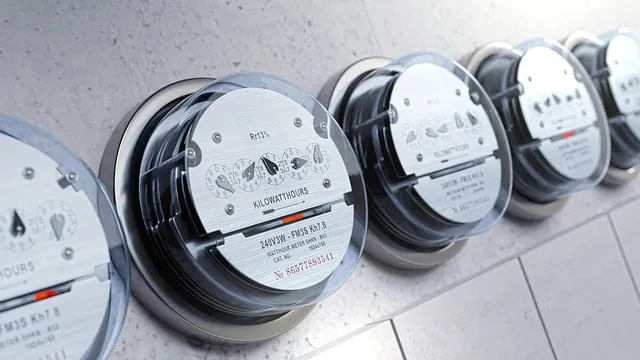
— Metering and connection: the apartment’s metering point and sealing are handled by the network operator (for Moscow — companies such as Мосэнергосбыт / MOESK or the local distribution network). Any changes to the metering unit or to the main incoming line require coordination with the network company.
— Common property: changes affecting risers, distribution panels in stairwells, or shared grounding need approval from the managing organization (управляющая компания/ТСЖ) and may require permits.
— Contractor qualifications: hire electricians or a company with proven qualifications, records of completed jobs, insured liability, and staff with appropriate electrical safety group certification. For complex or commercial-grade work, prefer firms with relevant licenses and references.
Typical electrical layout recommendations
— Separate circuits for high-power appliances:
— Electric stove/oven: dedicated circuit, copper conductor 4–6 mm², breaker 25–40 A depending on load.
— Electric water heater (boiler): dedicated circuit, typically 6 mm² and 32 A+ breaker depending on power.
— Washing machine, dishwasher: dedicated circuit, 2.5–4 mm² each, 16–20 A breaker.
— Air conditioners: dedicated circuit sized per unit power (2.5–4 mm² or larger).
— General lighting: 1.5 mm² copper cables on a dedicated lighting circuit(s).
— Socket circuits (general use): 2.5 mm² copper cables with 16 A (or 20 A) automatic breakers; consider several parallel circuits in living areas.
— Protective devices:
— Use residual-current devices (RCD / УЗО) with 30 mA sensitivity for personal protection on socket circuits and wet areas (bathroom, kitchen).
— Use 300 mA RCDs or appropriate fire-detection protection for overall fire safety where required.
— Prefer combined devices (RCBO / диффавтомат) where appropriate — they combine overcurrent and residual-current protection per circuit.
— Earthing/grounding:
— Verify presence and quality of protective earth (PE). Many modern buildings use TN-C-S or TN-S schemes; confirm with electrician and the network operator.
— Never use heating pipes or plumbing as a substitute for earthing.
— Cable type: copper conductors are recommended for durability and safety. Use cables with appropriate insulation rating and temperature class for kitchens and bathrooms.
Practical planning & convenience tips
—