Electrical Work in New-Build Apartments — Moscow: What Owners and Developers Must Know
Building a new apartment in Moscow or taking delivery of a new-build unit involves more than fresh paint and new windows. Reliable, safe and code-compliant electrical work is among the most important elements for comfort, safety and resale value. This guide explains the rules, practical steps, common pitfalls and smart upgrades specific to Moscow apartments.
Quick overview: what to expect
— The developer usually supplies the main electrical connection and meter(s), but internal wiring, sockets, lighting, and appliance circuits are often left for the buyer or fitted as part of finishing packages.
— Work must comply with Russian electrical standards and building regulations (primarily Правила устройства электроустановок — PUE, plus relevant SNiP/GOST norms).
— Necessary acceptance tests and documentation must be issued and retained: wiring layout, «акт скрытых работ», test reports (insulation resistance, loop impedance, RCD/earth tests).
Key regulations and standards (what to check)
— PUE (Правила устройства электроустановок): mandatory technical rules for design and installation of electrical systems.
— Local building codes and developer contractual documentation (check the project’s electrical specification).
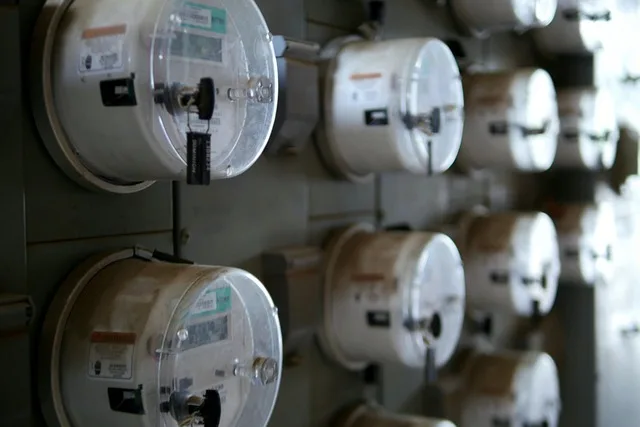
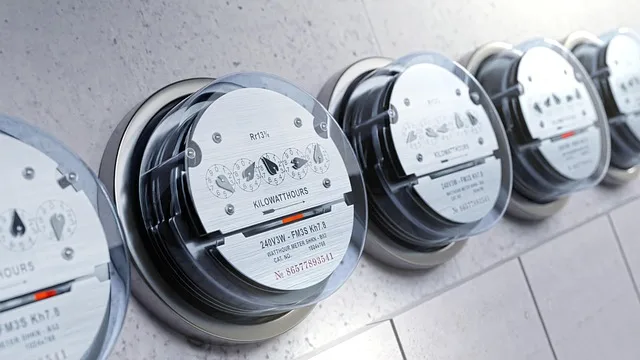
— Requirements for meter installation and connection — coordinate with the building’s metering room and the local distribution network operator (the energy supplier and сетевой оператор in Moscow).
— Safety rules for earthing/PE and residual-current devices (RCDs/УЗО).
Stages of electrical work in a new apartment
1. Planning and load calculation
— Create a power budget including lighting, sockets, HVAC, water heaters, electric stove/induction cooker, EV charger if planned.
— Decide on zones, switches, and lighting points before finishing works.
2. Design and schematic
— Prepare an electrical layout and single-line diagram for the apartment’s distribution board (ЩЭ).
3. Rough-in wiring (hidden wiring)
— Install conduits, cables, boxes before plastering/tiling. Mark everything and document for the «акт скрытых работ».
4. Installation of distribution board and protective devices
— Mount the apartment consumer unit, circuit breakers, RCDs, meter if owner-installed, and surge protection where necessary.
5. Final connections and fixtures
— Fit sockets, switches, lighting fixtures, and appliance connections after finishes are done.
6. Testing and commissioning
— Perform and record insulation resistance, continuity, earth resistance, and RCD trip tests. Obtain acceptance reports.
7. Handover and documentation
— Get written acts: «акт выполненных работ», «акт скрытых работ», test reports and warranties for components.
Hiring an electrician or contractor — what to require
— Use licensed electricians or companies with experience in Moscow new-build projects.
— Ask for:
— Certificate of competence and insurance.
— Examples of completed apartment projects and references.
— A written estimate with itemized costs, scope and timeline.
— Warranty on workmanship (typical: 6–36 months) and components’ manufacturer warranties.
— Commitment to provide all acceptance documents and test reports.
— Prefer contractors who coordinate with the building management and the сетевой оператор to avoid conflicts over meters or access.
Safety and testing — non-negotiables
— Earth/PE continuity and resistance testing.
— Insulation resistance measurements for each circuit.
— RCD functionality and selective coordination tests.
— Loop impedance and short-circuit calculations where needed.
— All tests documented in a protocol; hidden works must be recorded in an «акт скрытых работ» before closing walls.
Typical costs and timing (approximate guidance)
— Costs vary with finishes, number of circuits, appliances and quality of components. In Moscow, ballpark figures (as of recent market trends):
— Basic wiring (planning + rough-in + final) for a typical 40–60 m² apartment: from roughly 50,000 to 150,000 RUB.
— Premium or complex installations (three-phase for cookers, underfloor heating, EV-charging, smart home): 150,000 RUB and up.
— Distribution board with quality breakers and RCDs: 10,000–40,000 RUB depending on components.
— Timing:
— Design and planning: 1–2 weeks.
— Rough-in during construction stage: depends on finishing schedule, typically 3–7 days on site.
— Final installation and testing: 1–3 days.
— Always get at least three written quotes and check included services.
Common pitfalls to avoid
— Changing layout after wiring is hidden — costly and time-consuming.
— Underestimating power needs (electric cooker, instant water heater, heat pump, EV charger).
— Using low-quality components to save on upfront cost (leads to failures and hazards).
— No written acceptance of hidden works — voids guarantees and complicates future repairs.
— Poor coordination with building management and distribution network operator — meter access and switching-off windows must be agreed.
Practical checklist for buyers accepting a new apartment
— Confirm who is responsible for main connection and meter installation per purchase agreement.
— Obtain apartment electrical specification and as-built layout before sign-off.
— Ensure hidden wiring is documented with photos and an «акт скрытых работ».
— Verify presence of a consumer unit and labeling of circuits.
— Ask for test reports for insulation, earth and RCDs.
— Check contract for warranty and post-handover service conditions.
— Confirm how to request additional power (increase contracted capacity) and estimated timelines/costs.
Upgrades and smart choices for new apartments
— Plan dedicated circuits for major loads (c