Electrical Work in New Building Apartments — Moscow
Moving into a newly built apartment in Moscow brings excitement — and a set of electrical responsibilities. Even when the developer hands over a finished unit, owners often need to adapt wiring, appliances and protection to their needs. This guide explains what to expect, which regulations matter, and how to manage safe, compliant electrical work without getting bogged down in technicalities.
What’s different about new-build electrical work in Moscow?
— Developers usually deliver a basic electrical setup according to the building project. That setup may be minimal and aimed at standard finishes, not the appliances and smart systems you plan to install.
— Common pitfalls include undersized circuits for electric hobs, lack of dedicated lines for appliances, insufficient protective devices (RCDs / УЗО), and missing documentation for meter registration.
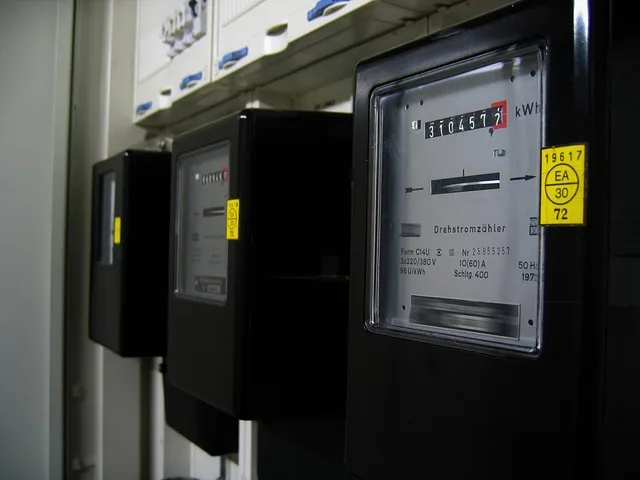
— Municipal and grid operator procedures in Moscow require coordination for meter installation, registration and sometimes for changes that affect the building’s external supply.
Key regulations and documents to know
— Follow the national electrical installation rules (PUE — Правила устройства электроустановок) and applicable GOST standards.
— Keep and request from the developer: electrical layout (схема электропроводки), commissioning documentation, meter passports and acts (акты выполненных работ).
— Any substantial change that affects supply or metering must be coordinated with the grid operator and the building’s management company (управляющая компания или ТСЖ).
Basic checklist for apartment owners before any work
— Obtain the as-built electrical schematic and meter documents from the developer.
— Decide which major appliances you will install (cooktop, oven, electric boiler, washing machine, AC, EV charger, underfloor heating) — these determine circuit capacity.
— Engage a licensed electrician for a load calculation (расчет нагрузки) and to propose a power distribution plan.
— Check whether the apartment has:
— A dedicated incoming meter and space for the apartment panel (щиток).
— Proper grounding and equipotential bonding (заземление и уравнивание потенциалов).
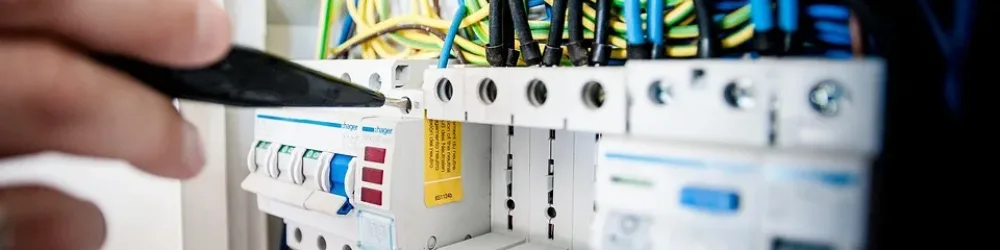
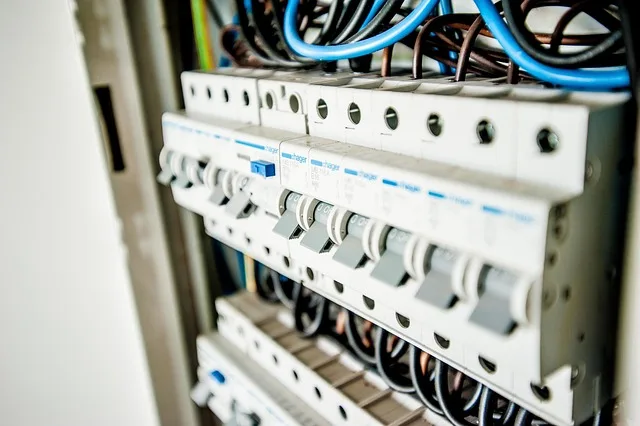
— Residual-current devices (RCD/УЗО) and circuit breakers (автоматы) in accordance with modern safety practice.
— Register the meter with the grid operator promptly after installation or replacement.
Typical apartment circuit layout (what most owners need)
— Separate circuits for:
— Lighting
— General sockets (living room, bedrooms)
— Kitchen sockets (separate from living sockets)
— Dedicated line(s) for an electric oven/hob or induction cooktop
— Washing machine and dishwasher
— Air conditioning or heat pump (if applicable)
— Protective devices:
— RCDs/ROC for personal protection on socket and wet-room circuits
— Individual circuit breakers sized to load and cable rating
— Consider zones for smart home control, loadshedding devices and surge protection for sensitive electronics.
Note: Do not DIY high-current connections (stoves, electric heating, EV chargers). Always use a qualified electrician.
Common issues in Moscow new builds and how to avoid them
— Undersized incoming capacity: Confirm the building’s allocated capacity and whether you need an upgrade — coordinate with your management company and the grid operator.
— Missing or poorly installed grounding: Insist on verification using instrument tests and written protocol.
— No dedicated kitchen line: If you plan an induction hob or built-in oven, request/install a dedicated circuit during initial wiring to avoid later rewiring costs.
— Meter registration delays: Submit required documents (passport, contract, acts) quickly to avoid penalties and billing issues.
Hiring an electrician in Moscow — what to check
— Licensing and qualifications: Verify experience with residential projects and relevant electrical safety group certification.
— Insurance and warranty: Ask for professional liability insurance and written guarantees for work and materials.
— Written proposal: Request a scope of work, a load calculation, a single-line diagram for your apartment panel, and an itemized quote.
— Documentation delivery: Ensure you will receive as-built drawings, test reports, and an invoice/act of completion (акт выполненных работ) to register devices with the grid operator.
Rough costs and timeline (indicative)
— Small alterations and adding circuits: typically a few days to a week, depending on access and finishing work.
— Full panel upgrade, dedicated stove line, or major rewire: commonly 1–3 weeks including approvals.
— Costs vary widely by scope and finish level; get 2–3 quotes and compare not just price, but proposed components and warranties.
Smart upgrades worth considering
— Digital (smart) electricity meters — check compatibility with the grid operator and registration requirements.
— Surge protection at the panel to protect appliances and electronics.
— Home automation-ready wiring and extra conduits for future low-voltage cabling.
— Energy monitoring devices to help manage consumption in Moscow’s increasingly dynamic tariff environment.
Final practical tips
— Prioritize safety and documentation over short-term savings. Correct initial installation pays off.
— Coordinate major electrical changes with your building’s management and the grid operator early.
— Keep all electrical documents, certificates and test reports in a safe place — you’ll need them for meter registration, resale and insurance.
If you’d like, I can draft a customized checklist for your specific apartment layout or a template email to request wiring schematics and documents from your developer or management company. Which would you prefer?