Electrical Work in New Building Apartments — Moscow Guide
Planning electrical work in a newly built apartment in Moscow requires attention to safety, compliance with Russian rules, and practical choices for comfort and future upgrades. This guide covers the main steps, local regulatory notes, technical recommendations, cost/timeline expectations, and a practical handover checklist.
1. Short overview
— New-build apartments often come with a basic electrical setup from the developer. Finishing-stage works (additional sockets, lighting design, smart home wiring, panel layout) are usually performed by the buyer or their contractor.
— Always follow the Правила устройства электроустановок (ПУЭ) and coordinate with the local grid operator and energy supplier (энергоснабжающая организация / сетевой оператор).
2. Regulations and documentation (Moscow specifics)
— Key standards: PUE (Правила устройства электроустановок), applicable GOST/SNIP norms, and local municipal requirements.
— Required documentation:
— Project (проект электрооборудования) or at least a wiring diagram for significant rewiring.
— Acts and protocols for commissioning (протоколы измерений).
— Sealed electricity meter(s) and connection agreement with the energy supplier.
— When increasing supply capacity or changing metering, obtain technical conditions (технические условия, ТУ) from the grid operator and agree power limits with the supplier.
3. Planning and design — what to decide up front
— Load calculation: list major appliances (oven, induction, washing machine, dryer, HVAC, boiler, EV-charger) and calculate required capacity and circuit separation.
— Panel and circuit plan: number of lines, RCDs (УЗО), automatic breakers (автоматы), and type of neutral/grounding (TN-C-S or as provided by the building).
— Lighting design and switch placements (consider dimmers and LED drivers).
— Socket plan: locations, counts, and dedicated circuits (kitchen, bathroom, boiler, aircon).
— Low-voltage cabling: structured network (Cat6), TV/coax, doorphone/intercom, fiber pathway and extra conduits for future upgrades.
— Smart-home: choose protocol (Zigbee, KNX, Modbus, proprietary) and whether to hard-wire a control bus.
4. Typical wiring and devices to include
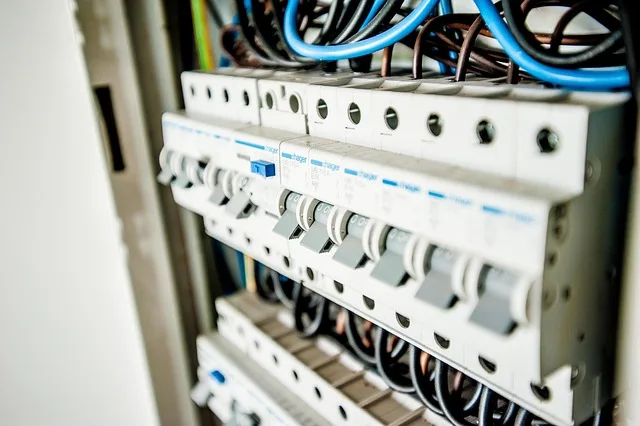
— Distribution board (распределительный щит) with clear labeling and DIN-rail modules.
— RCDs + breakers: separate residual-current protection for bathrooms and kitchen sockets.
— Surge protection (SPD) for expensive electronics.
— Dedicated circuit(s) for kitchen appliances, electric stove/oven (often 3-phase for ovens), HVAC, and high-power devices.
— Grounding/ equipotential bonding (заземление/зануление) and protective earthing bus.
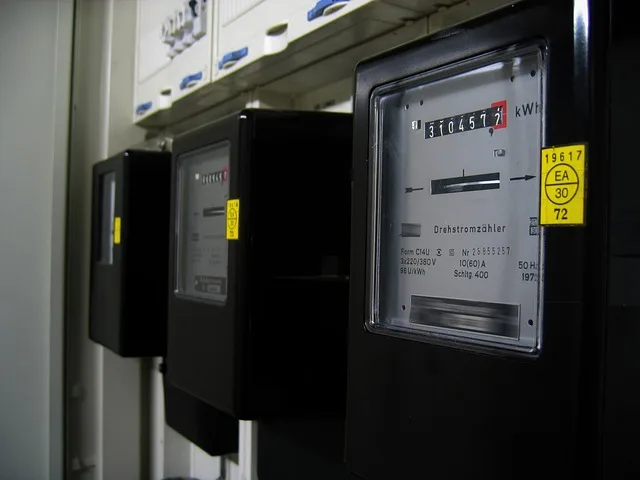
— Meter(s): single or multi-tariff meters per supplier requirements.
5. Earthing and protective measures
— Verify building grounding system and type (TN-C, TN-C-S, TN-S). Modern practice in Moscow buildings tends toward TN-C-S with protective conductor presence — confirm with developer or building management.
— Equipotential bonding and RCDs are essential in wet areas.
— Install lockable cabinet (if required) and seals for meters to satisfy the supplier when handing over.
6. Metering and connection processes
— Developer may install the meter(s) before handover; otherwise owner arranges metering with the supplier.
— For increasing contracted power or three-phase supply requests, obtain technical conditions (ТУ) and agree timelines with the grid operator.
— Meter installation and sealing are performed by the energy supplier or an authorized contractor.
7. Choosing a contractor and paperwork
— Hire a licensed electrician/installation company experienced with Moscow residential projects.
— Check:
— Registration, licenses, and insurance.
— Portfolio and references (photos of finished panels, apartment projects).
— Written estimate and fixed-price proposal where possible.
— Guarantee period and terms for workmanship and components.
— Insist on delivery of documentation after work: as-built wiring diagram, measurement protocols, certificates for installed devices, and act of completed works.
8. Costs and timeline (approximate ranges)
— Small finishing electrical work (additional sockets, lighting layout, small panel adjustments): typically completes in several days to 1–2 weeks.
— Full apartment rewiring with new panel + protective devices: 1–3 weeks depending on size and complexity.
— Approximate cost ranges (Moscow, indicative):
— Basic finishing work: tens of thousands of RUB.
— Comprehensive rewiring + panel upgrade: from ~80,000 RUB to several hundred thousand RUB for large or complex apartments.
— Get 2–3 quotes; compare scope, materials brands, and guarantees rather than lowest price alone.
9. Handover checklist for a new apartment (electrical)
— Is an electrical panel present and accessible?
— Is the electricity meter installed and sealed? Is the meter type and tariff correct?
— Are main protective devices in place (RCDs, main breaker)?
— Are sockets and switches installed as promised? Test a sample of outlets for voltage.
— Is grounding present in sockets/metal constructions and is equipotential bonding done in wet areas?
— Are lighting fixtures or at least wiring points present in all rooms?
— Is there documentation from the