Electrical Work in New Building Apartments (Moscow)
New apartments in Moscow often come with basic electrical installation from the developer, but to make the space safe, functional and future‑ready you will usually need additional electrical work. This guide explains what to expect, what is regulated, practical steps, and how to avoid common mistakes.
What a new‑build apartment typically includes
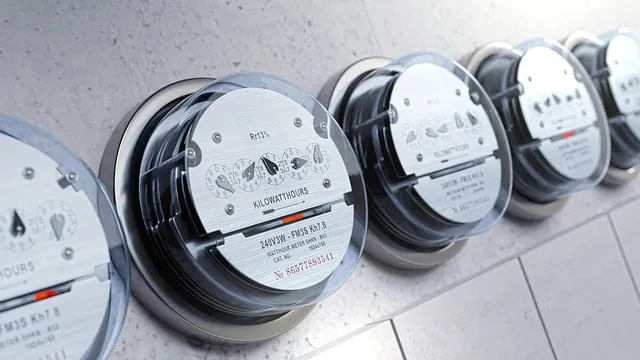
— Main supply and a meter installed by the developer or энергоснабжающая организация.
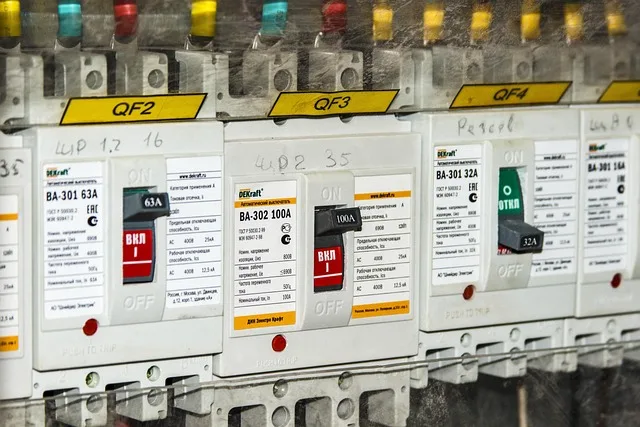
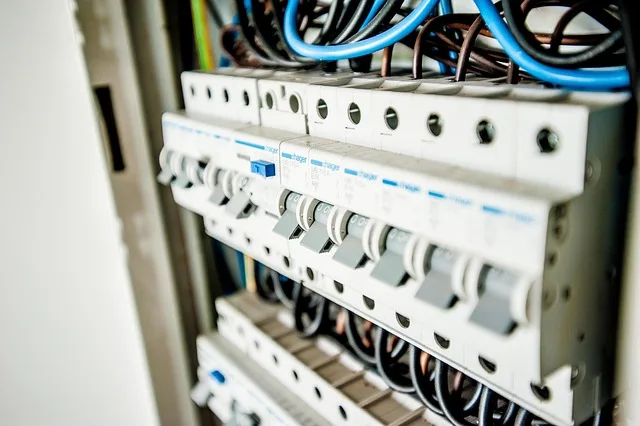
— A simple distribution board (щиток) with basic breakers.
— Minimal sockets and lighting points per developer layout.
— Basic earthing/grounding connected to the building system.
*Important:* the handed‑over configuration is often generic. Personalized layouts, additional power for appliances, or modern protective devices usually require extra work.
Common upgrades and why they matter
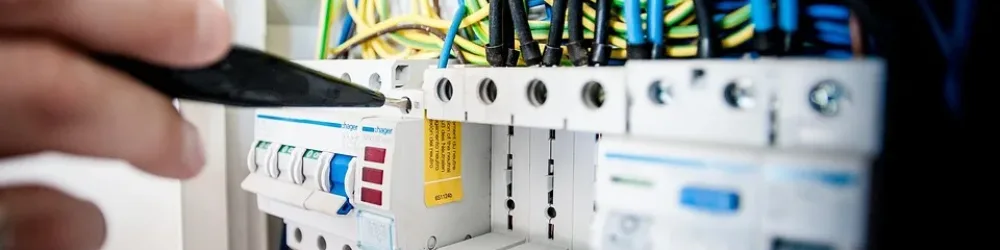
— Replacing or upgrading the distribution board (for more circuits, RCDs, surge protection).
— Adding separate circuits for kitchen appliances (induction hob, electric oven), washing machine, air‑conditioning, electric underfloor heating or EV‑charger.
— Rewiring to change outlet/lighting layout after renovation.
— Installing residual current devices (RCD/УЗО), differential breakers (диффавтоматы), and surge protection (УЗИП).
— Grounding/earthing improvements and separation of PEN into PE and N (TN‑C–S where applicable).
— Smart home wiring and additional low‑voltage circuits (Ethernet, alarm).
Legal and technical framework (what to follow in Moscow)
— Work must comply with Russian electrical installation rules (Правила устройства электроустановок — ПУЭ) and relevant GOSTs.
— For metering changes, power increase or three‑phase connection you must interact with the local distribution operator and energy supplier (поставщик электроэнергии). In Moscow this process is coordinated through the appropriate распределительная компания / поставщик — check your contract documents and developer instructions.
— Complex or high‑capacity work (involving changes to the building’s meter arrangement, increase in contracted power, or three‑phase connections) usually requires official technical conditions (технические условия) and often work by organizations with appropriate licenses/SRO.
— Keep test protocols (измерения сопротивления изоляции, испытания УЗО), wiring diagrams and acts of completion — these documents may be required for acceptance by the energy supplier or management company.
Step‑by‑step process
1. Assessment and load calculation
— Determine current contracted power and expected loads (hob, oven, aircon, heaters, EV charger).
— Check whether existing meter and building supply support additional load or three‑phase connection.
2. Project/design
— Draw a wiring diagram with circuit allocation, cable types, protective devices and locations of sockets/switches.
— If you increase power or require three‑phase, obtain technical conditions from the distribution company.
3. Material selection
— Use quality copper cables (common types