
Electrical Work in New-Build Apartments (Moscow)
Moving into a new apartment in Moscow often means dealing with incomplete or basic electrical installations supplied by the developer. This guide explains what electrical work typically involves, the applicable standards and permits, a practical inspection checklist, common issues, recommended circuit layout, hiring advice, and safety/acceptance items specific to Moscow.
What “electrical work” covers
— Design and load calculation (project for the apartment electrical system)
— Supply and installation of the distribution board (электрощиток) and meters
— Wiring: concealed or open cable runs, cable selection and routing
— Installation of protective devices: circuit breakers, RCDs/differential machines (УЗО/дифавтоматы)
— Grounding/earthing (контур заземления) and equipotential bonding
— Sockets, switches, lighting fixtures, and outlets for appliances (hob, oven, washing machine, boiler, AC)
— Installation of power for high-load consumers (electric stove, EV charger, heat pump)
— Testing, commissioning and handover documentation
Regulatory framework and documentation (what to expect)
— Work must comply with PUE (Правила устройства электроустановок) and relevant СНиП/ГОСТ and fire-safety rules.
— For any major changes or new power needs coordinate with the local network operator (сетевая организация).
— Key documents to request on completion:
— Project (схема электроснабжения, схема щитка)
— Protocols of tests (протоколы испытаний, измерения сопротивления изоляции)
— Act of completed works / commissioning act (акт выполненных работ / ввод в эксплуатацию)
— Certificates and warranties for installed equipment
— For contractors performing larger or commercial-scale installations, check SRO membership and insurance.
Typical items to check when you receive keys
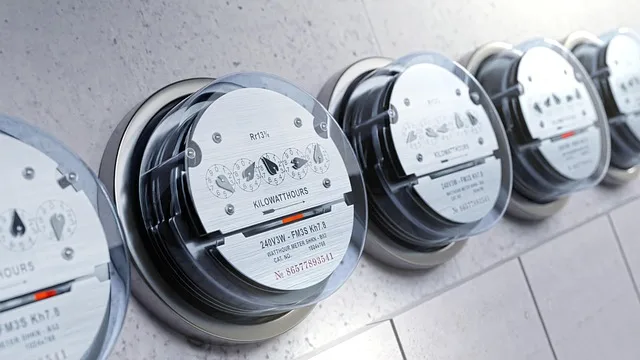
— Meter: presence, type (single/two-tariff), location and sealing; who is responsible for installation (developer or you)
— Number of phases supplied (single-phase vs three-phase)
— Presence and labeling of the distribution board and circuit layout
— Protective devices: presence of RCDs/дифавтоматы on wet areas (bathroom, kitchen) and high-power circuits
— Grounding and bonding: visible connection and continuity to building earthing (