Electrical Work in New-Build Apartments — Moscow
Planning and executing electrical work in a new apartment in Moscow requires a mix of safety, compliance and practical planning. Whether you are a buyer, renovator or developer, this guide gives you a clear checklist, key requirements, and practical tips to get reliable, safe and code-compliant electrical systems.
Why good electrical work matters
— Ensures occupant safety (fire and electric-shock protection).
— Prevents repeated repairs and avoids hidden costs.
— Supports modern living: stronger circuits for appliances, internet and smart devices.
— Helps pass inspections and avoid legal issues with the building operator or grid company.
Legal and regulatory background (what to keep in mind)
— Follow Russian electrical rules and standards (e.g., PUE — Правила устройства электроустановок) and local building regulations.
— Coordinate with the developer, managing company and local grid operator for metering and connection conditions.
— For significant alterations (new circuits, changes to meter or main board) get the required project documentation and approvals. Ask the contractor how they handle permits and documentation.
Typical scope of electrical work in a new apartment
— Load calculation and electrical project (power balance, circuit diagram).
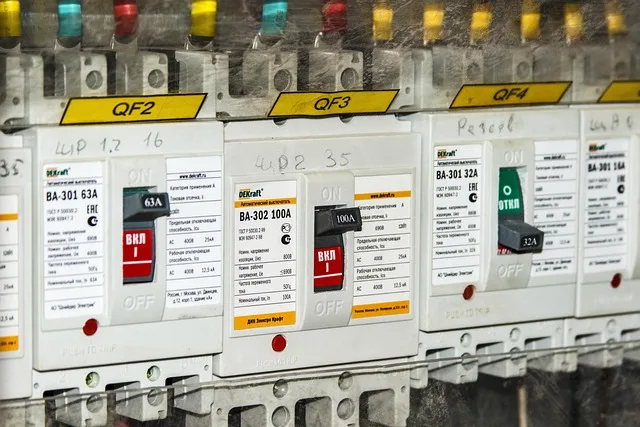
— Installation or modification of the distribution board (panel) and automatic circuit breakers.
— Installation of residual-current devices (RCDs/УЗО) and surge protection where appropriate.
— Wiring of circuits: lighting, sockets, kitchen appliances, HVAC, washing machine, water heater, etc.
— Grounding and equipotential bonding.
— Meter installation and sealing (individual or building-level metering per agreement).
— Socket, switch and lighting point installation and labeling.
— Testing, commissioning and handing over as-built documentation.
Planning tips — what to decide before work starts
— Create a realistic appliance list (oven, hob, boiler, washing machine, AC, EV charger) and their power ratings.
— Decide on circuit layout: separate circuits for high-load appliances (cooktop, oven, boiler), dedicated circuits for HVAC and large appliances.
— Choose positions of sockets, switches, and network points while planning furniture and kitchen layout.
— Consider future needs: smart home, extra sockets, charging points.
— Opt for LED lighting and energy-efficient fixtures to reduce load.
Safety essentials and technical choices
— Use automatic circuit breakers (автоматы) for overload protection and RCDs for earth-fault protection.
— Ensure proper protective earthing and equipotential bonding in bathrooms and wet zones.
— Use cables and breakers sized according to load calculations; favor quality brands and marked cables.
— Install surge protection for expensive electronics and to protect from grid disturbances.
— For bathrooms and kitchens, follow special protection zones and IP-rated fixtures as required.
— Insulation resistance and continuity tests must be performed before commissioning.
Choosing a contractor
— Hire a licensed, insured company or a certified electrician with verifiable references.
— Ask for:
— Portfolio of completed apartment projects.
— Insurance and any certification relevant to electrical installation.
— Clear written estimate and scope of work.
— Warranty terms and post-installation support.
— A written acceptance protocol and test reports on completion.
— Get at least three competitive quotes and compare scope and materials, not just price.
Documentation and handover (what you must receive)
— As-built electrical drawings (schematics with labeling).
— Test reports: insulation resistance, continuity, RCD trip tests, earth resistance where applicable.
— Copies of permits/approvals if the work required them.
— Product documentation and warranties for installed equipment (meters, breakers, RCDs, surge protectors).
— Clear labeling on the distribution board for each circuit.
Inspection and acceptance — checklist for final inspection
— All circuits labeled and matches the as-built plan.
— Distribution board neatly mounted and sealed if required by the grid operator.
— RCDs and breakers function correctly during tests.
— Sockets and switches installed at agreed locations and heights.
— No exposed conductors; junction boxes covered and accessible.
— Wiring in wet zones uses appropriate cable types and protection.
— Metering and seals installed per agreement with the building operator.
Timeframe and cost considerations
— Time: a typical full apartment wiring and board installation often takes days to a few weeks depending on size, complexity and finishing stage.
— Costs depend on apartment size, number of points, materials and labor. Factors that increase cost:
— Dedicated high-power circuits (electric cooktops, boilers).
— Complex smart-home or automation systems.
— Additional circuit breakers, high-quality distribution boards and surge protection.
— Get detailed written estimates and define payment milestones.
Modern additions to consider
— Smart-home integration (lighting scenes, remote control, energy monitoring).
— Energy-efficient lighting (LED drivers and dimmable circuits).
— Home network cabling (Ethernet), Wi‑Fi access point planning.
— Future-proofing for EV chargers or increased loads — add reserved conduits and space in the panel.
Common pitfalls and how to avoid them
— Underestimating appliance power needs — perform a realistic load calculation.
— Choosing the cheapest materials or unqualified labor — costs more in the long run.
— Skipping RCDs or grounding — major safety risk and likely a violation of rules.
— Doing modifications without required documentation — can block acceptance by the building or grid.
Quick checklist for apartment owners in Moscow
— Confirm what the developer already provided (rough wiring, junction box, meter).
— Draft a clear plan for sockets/switches and appliances.
— Obtain a written project or scope and approvals if needed.
— Hire a licensed, insured installer and get at least three quotes.
— Ensure tests and as-built documentation are provided at handover.
— Keep warranty and test reports safe — they will be needed for resale or disputes.
Final advice
Electrical work is not just a line item in renovation — it’s the backbone of safety and comfort. In Moscow’s new buildings, align early with the developer and local grid operator, insist on a clear project and reliable contractors, and prioritize protective devices and proper grounding. This approach minimizes risks, reduces hidden costs, and ensures a hassle-free handover and daily operation.
If you’d like, I can provide:
—