Electrical Work in New Moscow Apartments: What Owners Need to Know
Moving into a new apartment in Moscow often brings excitement — and the immediate need to plan electrical work. Whether you’re doing a full renovation or simply finalizing the handover, understanding local requirements, safety essentials, and the typical workflow will save time, money, and hassle.
Quick overview
— New buildings commonly provide the main incoming supply, but internal wiring and fittings are usually the buyer’s responsibility.
— All work must meet Russian standards (PUE, GOST) and the requirements of the local network operator and energy supplier (e.g., МОЭСК / Мосэнергосбыт or the relevant сетевой организация).
— Proper design, certified materials, protective devices and professional installation are essential for safety and legal acceptance.
Regulations and standards (local specifics)
— Follow *Правила устройства электроустановок (ПУЭ)* and applicable GOSTs for materials and installation practices.
— Coordinate with the building developer, management company and the network operator to confirm technical conditions (технические условия) and meter/connection specifics.
— If your project changes the declared load or requires a new connection agreement, you may need a technical connection contract (договор технологического присоединения) with the grid operator.
Planning and design: what to decide first
— Determine realistic power needs: base consumption plus appliances (electric stove, HVAC, charging, electric car charger).
— Decide on the number and placement of circuits: lighting, sockets, kitchen appliances, bathroom, HVAC, washing machine, etc.
— Plan the location of the apartment distribution board (электрощит) and the meter (электросчетчик) — check whether the meter is already installed by the developer or must be mounted and registered by you.
— Consider future needs: smart home, extra sockets, multi-tariff meters and charging points.
Typical apartment electrical scheme (components)
— Incoming supply and main switch (вводной автомат)
— Apartment meter (single- or multi-tariff)
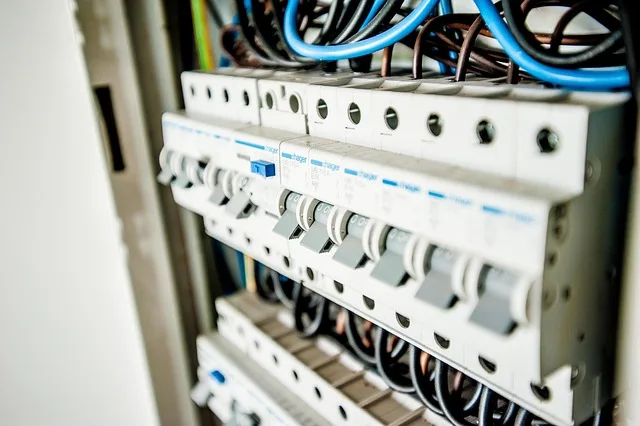
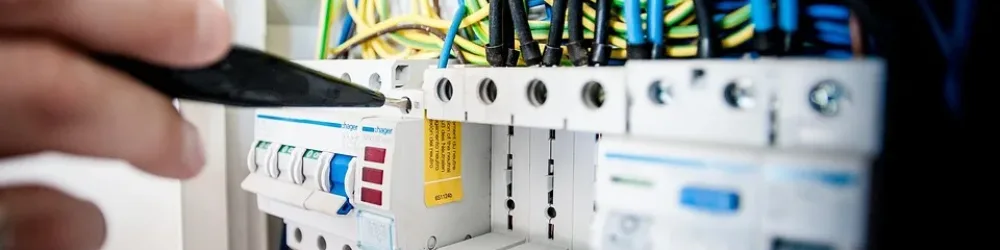
— Distribution board with circuit-breakers (автоматы) and residual current devices (УЗО)
— RCDs and selective protection for sockets, kitchen, bathroom and appliances
— Surge protection device (УЗИП) — recommended for Moscow to protect electronics
— Grounding/earthing and equipotential bonding (TN-C-S or as supplied by building) — ensure proper earthing continuity to building’s system
— Wiring and cable runs using certified copper cables suitable for residential use
Safety essentials
— Use certified materials only (marked to applicable GOST/PUE standards).
— Install RCDs (УЗО) for circuits with high personal risk (bathroom, sockets for portable appliances).
— Use correct circuit breakers sized to cable capacity and expected loads.
— Ensure earthing/grounding and equipotential bonding in bathrooms and kitchens.
— Install surge protection to protect expensive electronics from transient overvoltages.
— Test all protective devices and circuits before commissioning.
Choosing a contractor and documentation
— Hire electricians with proven experience in Moscow apartment projects and proper certificates — request references and examples of completed works.
— Ask for a written estimate, timeline and clear statement of work.
— Ensure the contractor provides as-built wiring schematics, certificates for materials, test reports and an installation passport (паспорт электроустановки) if required.
— For larger scope works or changes in declared load, work should be based on an electrical project signed by a licensed designer and approved where necessary.
Meters, registration and contracting
— Confirm whether the developer installed the meter. If not, you’ll need to mount and register it with the network operator and choose an energy supplier (e.g., Мосэнергосбыт).
— Multi-tariff meters (night/day) can reduce costs if you have appliances working at off-peak hours.
— Follow the network operator’s rules for sealing and meter commissioning.
Timeline and costs (typical)
— Small reworks (lighting and sockets): 1–3 days.
— Full rewiring and distribution board replacement: 1–3 weeks depending on finishing and scope.
— Costs in Moscow vary widely by scope and finish quality:
— Basic outlet/light rework: modest
— Full rewiring + new panel + materials: moderate to high
— Smart-home integration, high-capacity circuits, electric car charging: additional costs
— Get 2–3 competitive quotes and check detailed breakdowns (materials, labor, switches, sockets, RCDs, breakers, commissioning).
Common issues in new apartments
— Incomplete or non-standard wiring from developer — check continuity and protective devices on handover.
— Insufficient number of circuits or outlets for modern needs.
— Missing or improperly installed grounding.
— Meters placed in inconvenient locations or not registered.
— Hidden wiring clashing with future renovations — obtain clear as-built diagrams.
Practical checklist for owners before and after work
Before work:
— Obtain technical conditions and verify meter situation with the developer.
— Prepare a clear plan for sockets, lighting, and major appliances.
— Select certified contractor and agree deliverables, timeline and documentation.
During work:
— Ask for material certificates and keep receipts.
— Request progress photos and mark cable routes for future reference.
After work:
— Collect as-built wiring diagram, test certificates, and a written warranty.
— Verify RCD and breaker operation with the contractor present.
— Register/commission the meter with the energy supplier if needed.
— Keep documentation for building management and future buyers.