Electrical Work in New-Build Apartments — Moscow
Moving into a new apartment in Moscow often means the developer will deliver a basic electrical setup. If you plan to remodel, upgrade loads, install appliances or a smart home system, you need a clear plan that follows Russian safety rules and Moscow utility procedures. This guide summarizes what to expect, legal and technical points, practical wiring schemes, cost/timeline estimates, and how to choose a reliable contractor.
Quick overview
— Developers usually provide a basic apartment distribution board, meter and supply up to the contractual capacity.
— Any changes to the main meter location, power capacity or external connection require coordination with your energy supplier (e.g., Мосэнергосбыт) and the managing organization.
— Internal rewiring, additional circuits and new sockets are common and legal, but must comply with current standards and safety rules.
Key standards and rules to follow
— Follow the Rules for Electrical Installations (PUE / Правила устройства электроустановок).
— Use certified components and qualified electricians with valid credentials and insurance.
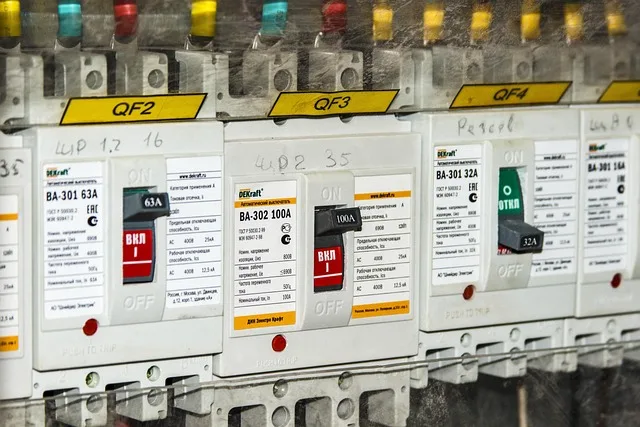
— Install differential protection (RCD / УЗО) and automatic circuit breakers (автоматы) in the apartment distribution board.
— Keep separate circuits for wet areas (bathroom), kitchen and high-power appliances.
— Obtain required approvals if you change meter placement, increase contracted power or alter shared building wiring. Coordinate with your managing company and energy supplier.
Typical apartment wiring layout (recommended)
These are common, practical recommendations — adapt to your apartment size and actual appliance power ratings.
— Lighting circuits
— Separate lighting circuit(s), cable 1.5 mm² (NYM), protected by 6–10 A breaker.
— General sockets (living rooms, bedrooms, corridors)
— Circuits using 2.5 mm² cable, each protected by 16–20 A breaker. One circuit per 3–5 rooms or per layout to avoid overload.
— Kitchen
— Dedicated socket circuit(s) for countertop appliances (microwave, kettle, toaster) — 2.5 mm², 16–20 A.
— Dishwasher and washing machine — separate 2.5 mm² circuits, 16–20 A.
— Electric oven/hob — often requires 4–6 mm² cable with 25–40 A breaker depending on appliance; check manufacturer specs.
— Refrigerator — can be on a separate socket circuit or a general kitchen circuit.
— Bathroom
— Dedicated circuit for electric towel rail or heater; RCD protection and 2.5 mm² or 1.5 mm² depending on load.
— Sockets in bathroom must be RCD protected (30 mA typical) and follow placement rules for safety zones.
— HVAC / Air conditioners
— Dedicated circuit sized per unit, often 2.5–4 mm² with its own breaker.
— Electric boiler / underfloor heating
— Dedicated heavy-duty circuit — cable size and breaker sized to manufacturer rating (often 4–6 mm²).
— Lighting and low-voltage
— Consider separate low-voltage circuits for door entry, internet, and smart-home controllers.
Distribution board (щиток) and protection
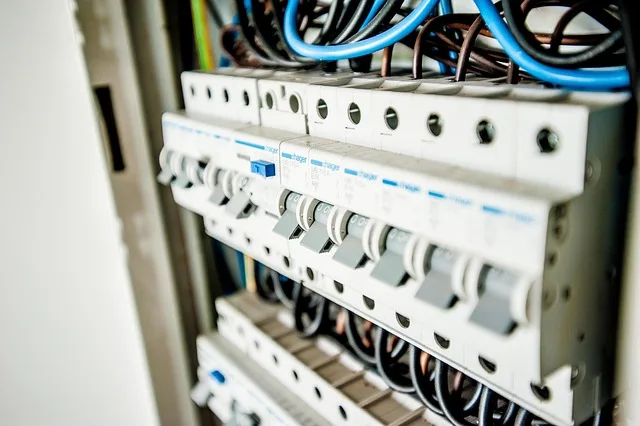
— Install a DIN-rail distribution board with space for circuit breakers, RCDs, an RCD+MCB combo or separate devices.
— Typical protective layout:
— General RCD(s) 30 mA for circuits in living areas and kitchens.
— RCD sensitivity for bathrooms and outdoors: 30 mA (or as required by local rules).
— Consider a dedicated RCD/MCB for kitchen sockets and for major appliances.
— Surge protection (SPD) at the board is recommended in Moscow to protect electronics from spikes.
— Label circuits clearly and provide an as-built wiring diagram.
Cables and components commonly used in Moscow
— NYM (flexible multi-core) cable is common for indoor apartment wiring.
— Recommended conductor cross-sections:
— Lighting: 1.5 mm²
— Sockets: 2.5 mm²
— Oven/large cooker/heavy loads: 4–6 mm²
— Air conditioners / boilers: 2.5–4 mm² (per spec)
— Use flame-retardant, certified cables; avoid hidden splices without junction boxes.
Safety and inspections
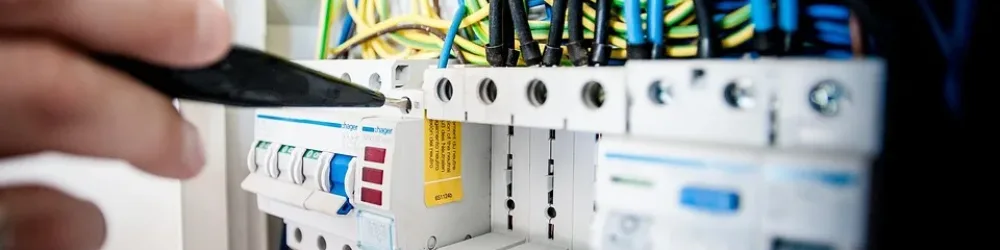
— Always de-energize circuits before work. Use an electrician with proper tools and PPE.
— After major rewiring or new circuits, have a qualified inspector measure insulation resistance and perform a protective earthing/loop impedance check.
— Get formal documentation: act of completed works (акт выполненных работ), circuit diagrams, certificates for installed equipment where applicable.
— Keep warranties and receipts