Electrical Work in New-Build Apartments — Moscow Guide
Buying an apartment in a new building in Moscow brings fresh surfaces and modern layouts — and a crucial question: how to handle the electrical work correctly, safely and in line with local rules. This guide walks you through what developers usually deliver, what you should plan to change or add, the standards and tests to insist on, and practical steps for hiring professionals and accepting the job.
What developers usually provide — and what they often don’t
— Typical developer scope:
— Basic wiring from the building riser to apartment distribution board.
— Single or several rough-in sockets and lighting points (depends on finishing option).
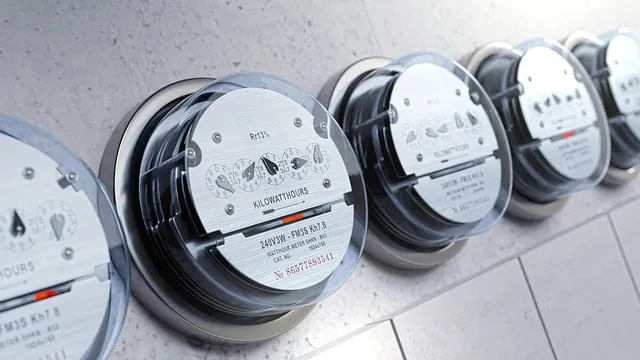
— Main apartment meter installed or at a building-level metering room.
— Protective devices at the building or at the apartment board (varies).
— Often missing or minimal:
— Final socket placement, lighting layout according to your furniture plan.
— Separate circuits for high-power appliances (oven, induction hob, washer, dryer, air conditioner).
— Quality finishes (recesses, boxes may be incomplete), earthing/grounding details in the flat.
— Surge protection, RCDs selected to your needs, or «smart» wiring.
Before you assume the apartment is ready, inspect and confirm exactly what the contract and finishing package include.
Key planning steps before any work
— Create a usage plan: where furniture, TV, lights, sockets, chargers and appliances will be placed.
— Decide on separate circuits for:
— Kitchen (hob, oven, microwave)
— Washing machine and dryer
— HVAC / air conditioners
— Electric heating / underfloor heating (if any)
— Lighting (preferably separate from sockets)
— Future-proofing:
— Add extra conduits for smart home wiring, internet, and additional power points.
— Reserve capacity in the distribution board for future devices (EV-charger unlikely for apartments but consider higher loads).
Standards, safety and regulatory context (what to insist on)
— Work must comply with national electrical installation rules — PUE (Правила устройства электроустановок) and applicable GOST/technical regulations.
— Equipment should be certified and accompanied by certificates of conformity/manufacturer documentation.
— Protective measures expected:
— Correct earthing/grounding (verify scheme; many buildings use TN-C-S with PEN conductor separated at building transformer).
— Residual-current devices (RCD/УЗО) for protection against leakage and preventing electric shock.
— Circuit breakers (automatic switches/автоматы) sized for circuit loads.
— Surge protection devices (SPD) for the main incoming feed if not provided centrally.
— Testing and commissioning:
— Insulation resistance tests (megger), loop impedance, RCD trip tests and earth resistance measurements.
— Formal protocols and a handover packet (act of completed works, test protocols, equipment passports).
Typical materials and equipment to expect (and prefer)
— Wiring: copper conductors (VVG, NYM or equivalent) with appropriate cross-section per load.
— Cables sized by load: lighting circuits often 1.5 mm², sockets 2.5 mm², ovens/heaters 4–6 mm² or more depending on power.
— Distribution board (щит) with space for modules and clear labeling.
— Branded, certified circuit breakers and RCDs; consider Type B or C breakers depending on expected inrush currents.
— Surge protection (class II or as required by building).
— Quality sockets, switches and recessed boxes rated for Russian standards.
Hiring an electrician or team — what to check
— Qualifications: professional certificate and documented experience with apartment installations; membership of a recognized SRO for larger works if applicable.
— Insurance: contractor liability insurance is desirable.
— References & portfolio: previous Moscow apartment projects, photos and contactable references.
— Written estimate & contract: include scope, materials with brands, timeline, warranty terms, and acceptance procedure.
— Measurements and documentation: contractor must provide test reports and an «act» after commissioning.
Suggested questions to ask a contractor:
— Will you provide a written project (electrical layout) and a parts specification?
— How will circuits be divided and what cable cross-sections will you use?
— Do you perform insulation and RCD tests on completion and provide protocols?
— What warranty do you provide on installation and materials?
Acceptance checklist when work is finished
— Visual checks:
— Distribution board installed, labeled, with spare spaces for future breakers.
— Cleanly routed cables, no overcrowded junction boxes.
— All sockets/switches test-mounted and correctly oriented.
— Functional checks:
— All circuits powered and load-tested.
— RCDs trip and reset correctly; breakers operate.
— Lighting and sockets work under load.
— Documentation:
— Protocols of electrical tests, equipment passports and certificates of conformity.
— Act of completed works signed by both parties.
— If meter or connection changes were needed — paperwork from the grid operator (contract, meter passport, seals).
Interaction with the grid operator and metering
— For initial connection or meter replacement, contact the local grid company (in Moscow — the relevant distribution/energy supplier) to obtain technical conditions and follow the correct metering procedure.
— Developers sometimes handle meter installation centrally; verify ownership and responsibility for sealing and registration.
— Any change that affects the shared riser or increased contracted capacity typically requires coordination and written approvals.
Costs and timeline (typical Moscow apartment estimates)
— Timeline: simple rework (socket/lighting changes): a few days. Full rewiring, board upgrade and commissioning: 1–3 weeks