
Electrical Work in New Building Apartments — Moscow Guide
Moving into or renovating an apartment in a new Moscow building raises specific electrical questions: what the developer provides, what you should change, how to plan circuits, safety requirements, permits, and how to choose a reliable contractor. This guide summarizes practical steps, technical points, and Moscow‑specific considerations so you can make informed decisions.
Quick overview
— Verify what the developer handed over (rough wiring, distribution board, meter).
— Prepare a detailed electrical plan (lighting, sockets, appliances, HVAC, smart systems).
— Use correct cable types and cross‑sections, protective devices (circuit breakers, RCDs).
— Coordinate any changes to risers or shared systems with the building management.
— Hire a licensed electrician, get a written contract, and demand testing/commissioning documents.
What the developer usually provides (and what to check)
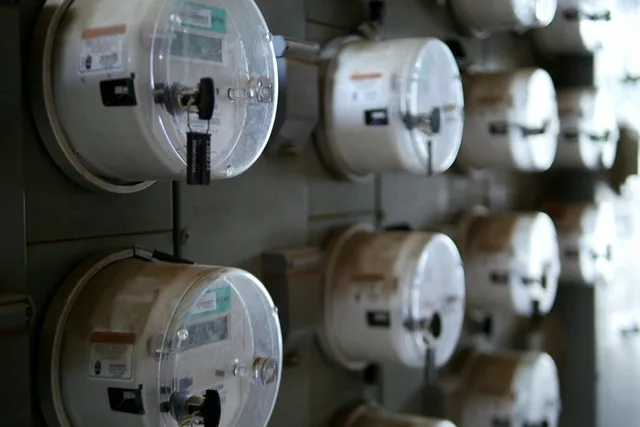
— Basic power input and meter box: sometimes installed, sometimes left for final connection.
— Supply risers and trunking: often present but sealed — altering them usually requires permission.
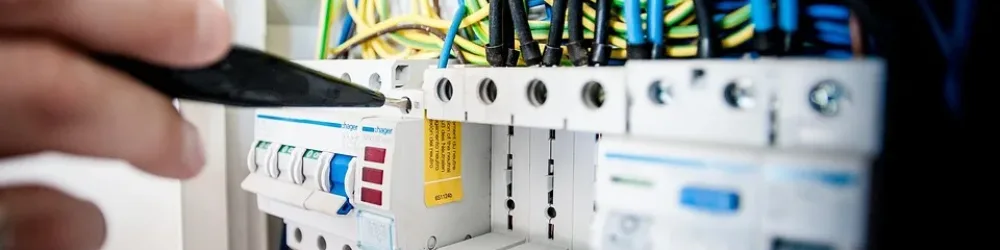
— A basic distribution board (щиток) or a blank place to install one.
— Ask for documentation at handover: single‑line scheme, certificates for equipment installed by the developer, and the act of acceptance (акт приема‑передачи).
Planning: what to decide before work starts
— Layout of lights, switches and sockets — mark these on a floor plan.
— Location of the distribution board (near the apartment entrance is common).
— Dedicated circuits for high‑power appliances: electric stove/oven, induction hob, electric water heater, HVAC.
— Integrated services: internet, TV, intercom, security/alarm, video doorbell.
— Smart home needs: consider separate loops or extra low‑voltage wiring for controllers and sensors.
— Future proofing: add spare conduits and space in the panel for future circuits.
Typical circuit design rules (typical examples — confirm with a professional)
Note: follow applicable Russian rules (PUE — Правила устройства электроустановок), building regulations, and your grid operator’s requirements.
— Lighting: copper cable 1.5 mm², protected with 6–10 A breaker.
— General sockets: copper cable 2.5 mm², protected with 16–20 A breaker.
— Washing machine/dishwasher: 2.5–4 mm² with dedicated 16–20 A breaker.
— Electric oven/induction hob: 4–6 mm² (or 6 mm²+) with 25–40 A breaker; high‑power stoves may need a three‑phase supply — confirm with the developer/energy supplier.
— Air conditioner/heat pump: dedicated circuit sized by unit manufacturer (often 2.5–4 mm² or more).
— Grounding/PE and PEN systems: ensure correct earthing scheme (TN‑C‑S or TN‑S as applicable); copper conductors recommended for grounding.
Always have a qualified electrician perform load calculation and select cable cross‑sections and protective devices accordingly.
Protection devices and safety
— Use circuit breakers (автоматы) for overload/short‑circuit protection.
— Install RCDs (УЗО) or RCBOs for personal protection on appropriate circuits (sockets, bathroom, kitchen).
— Consider surge protection (SPD) for sensitive electronics.
— Use rated enclosures and separate circuits for wet rooms (bathrooms).
— Use flame‑retardant cables appropriate for building class (e.g., VVG, NYM types commonly used) — check local material standards.
Metering and connection to the grid
—